Last updated: December 2025
Nebraska’s housing market in December 2025 is under intense pressure. The state faces an estimated shortage of more than 120,000 housing units, with the need to develop 35,000 affordable units by 2028 just to start closing the gap. At the same time, median home prices hit $308,400 in October—up 7.5% from last year—making affordability a major concern for families and first-time buyers alike.
For owner-builders and small contractors, the situation is especially challenging. With homes selling in just 30 days and 33.2% going above list price, limited inventory, soaring material costs, and a shrinking labor pool have made it increasingly difficult to bring projects from concept to completion on time and within budget.
These realities are driving many Nebraska residents to look for smarter, faster, and more affordable ways to build homes that still allow for quality craftsmanship and design flexibility.
Building a home in Nebraska today is not for the faint of heart. Construction costs range from $100-$160 per square foot statewide, with Omaha projects running $110-$225 per square foot and Lincoln builds costing $120-$230 per square foot depending on finishes. Materials alone average about $50 per square foot, with framing lumber and skilled labor rates climbing steadily.
The construction workforce is aging, and the industry faces a significant worker shortage statewide. Two-thirds of Nebraska households can’t afford the median home price, creating urgent demand that traditional construction methods struggle to meet.
Combine that with Nebraska’s unpredictable weather—tornado season, bitter winters, humid summers, and short optimal building windows—and it’s no wonder why many builders are struggling to stay on schedule and within budget.
Many people searching for Nebraska prefab homes are attracted to the idea of faster builds and lower costs. Prefab construction can help reduce weather delays and make scheduling easier.
However, fully manufactured or modular homes often come with trade-offs: less flexibility in layout, limited customization, and a “cookie-cutter” feel that doesn’t suit every property or homeowner’s vision.
That’s where a new hybrid approach is taking hold.
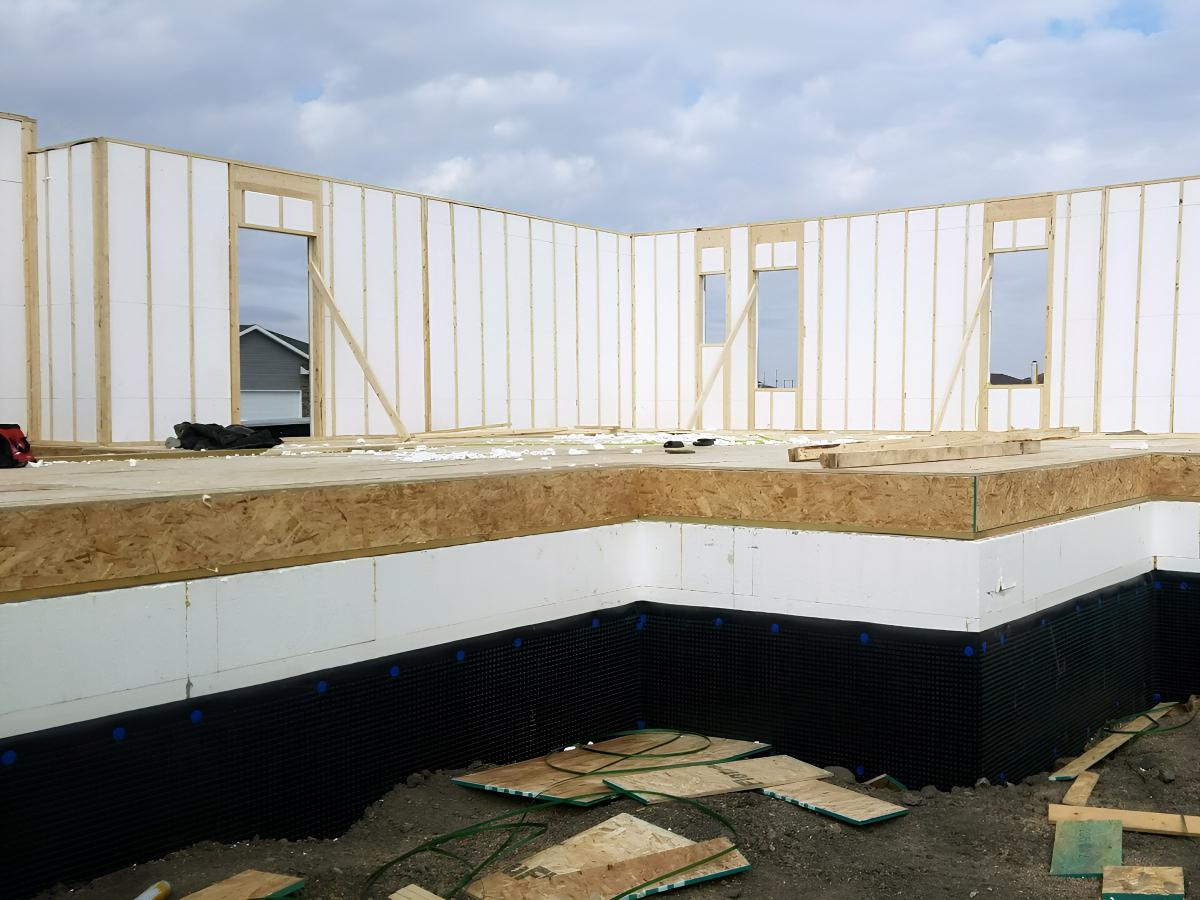
Prefab framing systems are changing how Nebraska builds. Instead of shipping a complete house, these systems deliver custom-manufactured wall panels, engineered floor and roof truss systems—all pre-fabricated, labeled, and ready to assemble on-site.
This streamlined approach blends efficiency with creative freedom. You can still design your home your way, but with a precision-manufactured structural shell that saves time, reduces waste, and eliminates the riskiest phase of on-site framing.
For Nebraska’s owner-builders and contractors, the advantages are hard to ignore:
Faster construction: Weather-independent framing means your project can reach “dry-in” in days, not weeks.
Lower labor needs: Prefab components are easy to assemble, reducing reliance on scarce skilled framers.
Predictable costs: Fixed-price packages eliminate many of the budget surprises caused by fluctuating material prices.
Design flexibility: Keep full control of your floor plan, finishes, and style—something most modular options can’t match.
Prefab framing systems help homeowners and builders alike meet deadlines, protect budgets, and still achieve a one-of-a-kind result.

These figures make it clear: traditional construction methods are straining under market pressure. Prefab framing systems are emerging as one of the most practical ways to keep projects moving forward efficiently.
From harsh winter blizzards to tornado season, humid springs to scorching summers, Nebraska’s varied climate demands durable, energy-efficient construction.
Traditional stick-built framing often leaves materials exposed to rain, humidity, and temperature extremes for weeks, leading to warping, moisture issues, and costly rework. Prefab framing systems eliminate those vulnerabilities by producing the structural shell in a controlled indoor environment, then shipping it ready to assemble.
That means your framing materials arrive dry, straight, and ready for immediate installation—reducing both weather risk and long-term maintenance issues.
Unlike full prefab or modular homes, prefab framing systems focus only on the most time-critical and weather-sensitive stage of construction: the structural shell.
Design Integration: Your plans are translated into precision-built wall panels, roof trusses, and optional engineered floor systems.
Factory Production: Components are manufactured to exacting standards using AutoCAD-linked equipment.
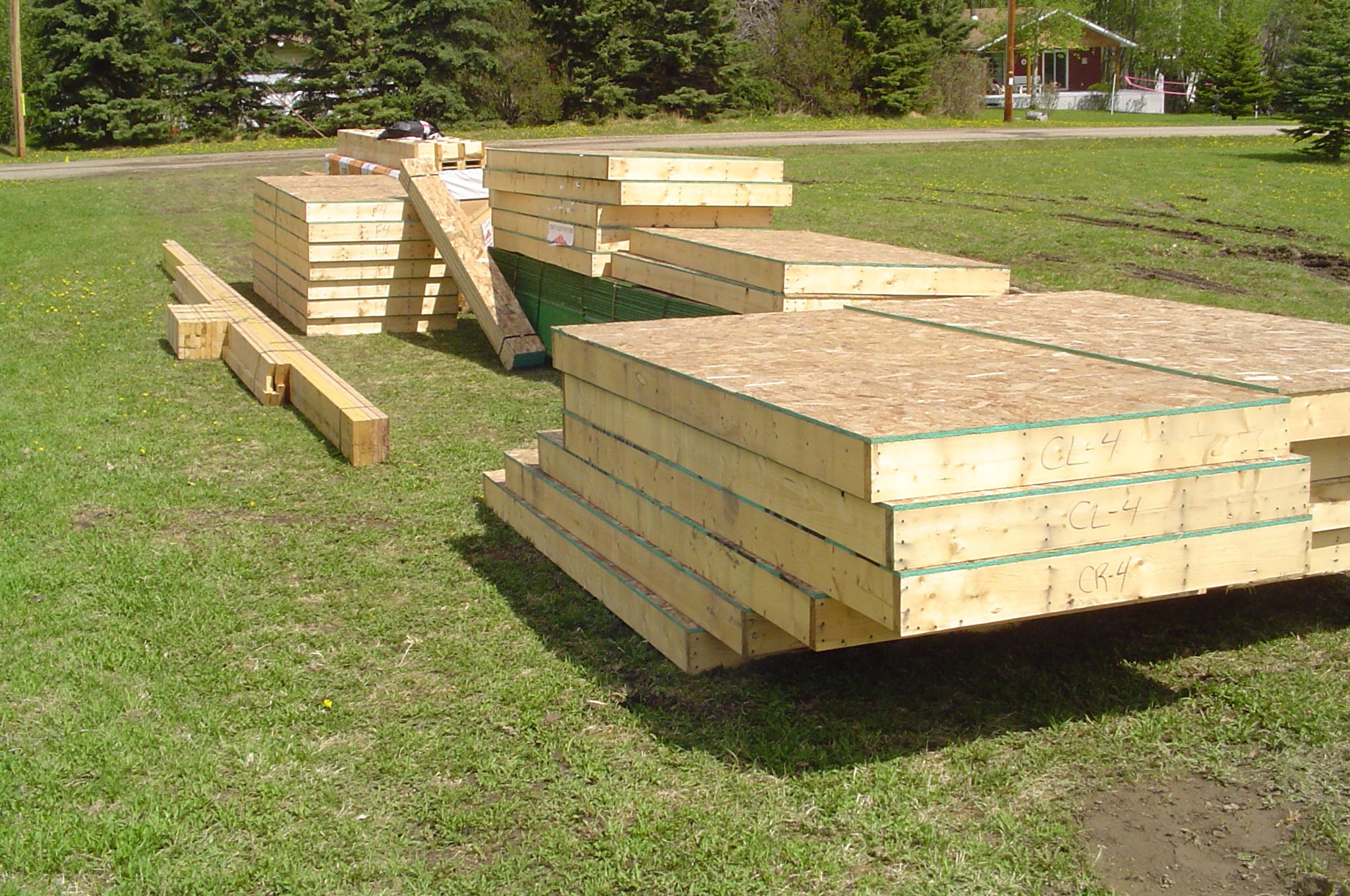
Delivery & Assembly: The system arrives in organized, labeled loads—ready to stand in days.
Typical framing that might take 4–8 weeks on-site can now be completed in 5–12 days, letting you move straight to roofing and interior trades.
Nebraska’s building environment demands strength, accuracy, and efficiency. Green-R-Panel’s prefab framing systems are engineered to meet those standards:
Green-R-Panel’s AutoCAD-designed wall panel systems accommodate everything from traditional ranch to contemporary prairie modern aesthetics—whatever vision you have for your Nebraska home.
Heights include standard 8′, 9′, and 10′ options, plus custom configurations up to 14’+ for vaulted designs. Panel lengths from 8 to 14 feet keep dimensions manageable for owner-builder crews, with longer panels up to 20 feet available when you have lifting equipment on site.
Framing choices include 2×4 or 2×6 configurations engineered for Nebraska’s extreme wind loads and severe weather conditions. Advanced sheathing options—OSB standard, with plywood or ZipWall upgrades—handle temperature swings from -20°F to 100°F without compromising structural integrity. Window and door openings arrive precision-framed and ready for installation. Every panel ships pre-numbered, labeled, and includes required hardware.
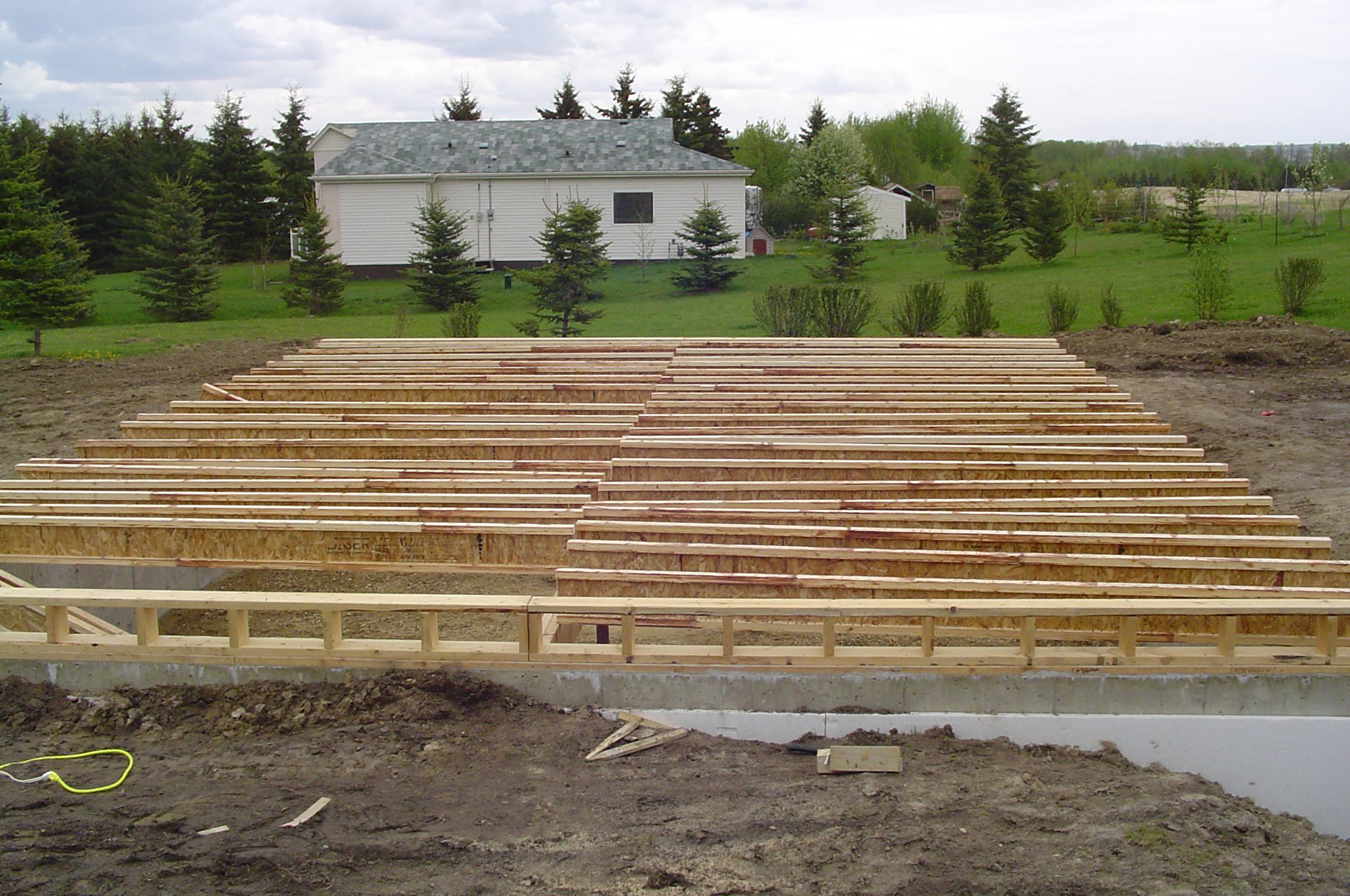
I-joist and open-web truss options manufacture to specifications appropriate for Nebraska’s challenging conditions. Performance specifications exceed L/360 minimums, with upgrade options available for long spans—ensuring floors stay stable and bounce-free despite Nebraska’s temperature extremes.
Spacing configurations from 16″ to 24″ on center accommodate everything from standard residential loads to heavy finishes. Stair openings, utility chases, and access points arrive pre-built with required LVL support beams, rim boards, and hardware included.
Roof Truss Systems Built for Severe Weather
Custom engineering matches your specifications while accounting for Nebraska’s extreme conditions. Properties across Nebraska routinely face intense wind loads and severe weather requiring specific engineering calculations—especially tornado-zone specifications.
Sealed documentation facilitates Nebraska permitting processes. Manufacturing accounts for Nebraska’s regional standards, ensuring compliance with the Cornhusker State’s demanding structural requirements.
Together, these components form a structural shell designed to perform in the state’s demanding conditions while meeting or exceeding energy code requirements.
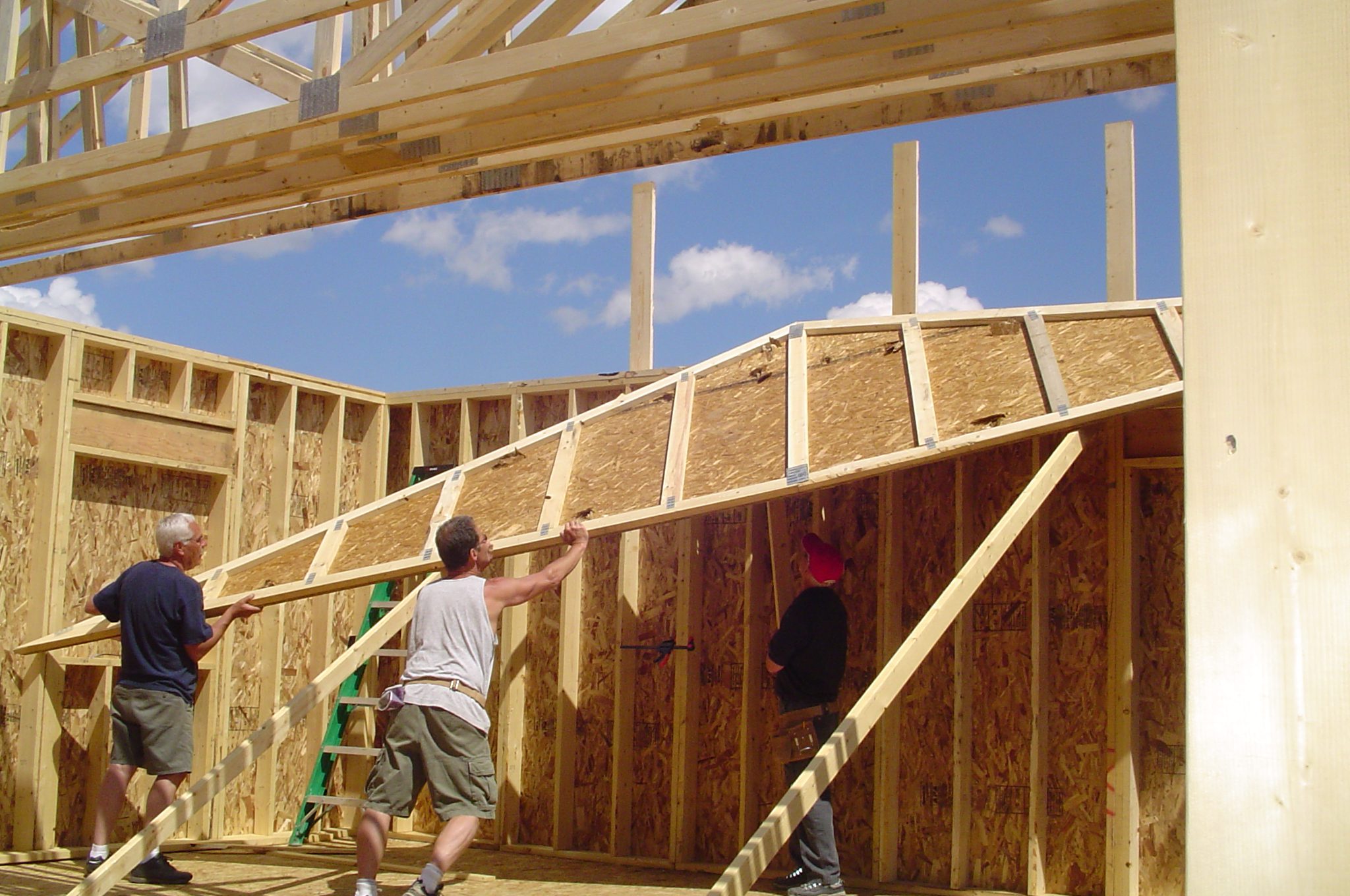
Owner-builders gain speed, control, and confidence. The simplified assembly process allows more hands-on involvement without advanced framing skills, and predictable delivery schedules reduce financing pressure.
Contractors use prefab framing to shorten build times, maintain quality across projects, and stand out in a competitive market where every week saved increases profitability.
For duplexes, triplexes, and townhome clusters, prefab framing ensures consistency, predictable scheduling, and reduced exposure to labor bottlenecks.
Omaha Metro Projects: Prefab framing helps builders meet urgent housing demand in rapidly growing suburban areas.
Lincoln Area Homes: College town growth and limited inventory benefit from faster construction timelines.
Rural Nebraska Builds: Remote locations with limited labor benefit from faster installation and factory precision.
Small Town Development: Communities addressing housing shortages need speed and predictability prefab systems provide.
Get your free copy of The DIY Owner-Builder’s Step-by-Step Guide to Shell Completion — a simple, practical roadmap to help you plan, frame, and complete your home’s shell with confidence.
Enter your email to download and receive helpful tips, updates, and exclusive insights to keep your project on track.
Looking at lumber yard prices versus prefab quotes? The sticker shock is real. But that raw material cost tells maybe 40% of your actual spending story.
Site shutdowns every time weather turns—and in Nebraska, that’s often. Material waste runs 10-15% because you’re cutting everything twice and throwing away the mistakes. Your construction loan bleeds interest for months longer than necessary. Warped studs and moisture-damaged sheathing mean buying materials twice and paying crews to fix problems.
Your structural shell price locks in—no surprise invoices when lumber jumps $200 per thousand board feet. Waste drops to 2-3% because factory cuts are calculated by computer, not eyeballed by tired framers. Your crew installs rather than measures and cuts, slashing labor hours dramatically. Assembly happens in days, getting you to dry-in before weather becomes your enemy. Precision manufacturing means callbacks drop to nearly zero.
Nebraska builders consistently report cutting their framing timeline by more than half while eliminating the budget uncertainty that kills projects.

1. Project Consultation & Review
Green-R-Panel’s team evaluates your plans for Nebraska-specific challenges and provides transparent pricing with no surprises.
2. Engineering & Design Integration
AutoCAD systems translate your architectural plans into manufacturing specs that account for Nebraska’s weather requirements and building codes. You review and approve everything before production starts.
3. Climate-Controlled Manufacturing
Your prefab framing systems are manufactured in protected facilities while Nebraska weather does whatever it wants outside. Quality checks happen at every stage.
4. Logistics & Delivery Coordination
Components ship organized for your site access and foundation timing. Installation guides and all documentation arrive with your materials.
5. Ongoing Project Partnership
Sealed engineering documents, assembly support, and technical assistance stay available from day one through project completion.
Initial consultation and quote: Submit your plans or sketches for review and no-obligation pricing
Design and engineering: AutoCAD drawings created for your approval before manufacturing begins (typically 2-5 weeks)
Manufacturing and delivery: Components build in climate-controlled facilities and ship organized for installation sequence (typically 4-8 weeks)
Assembly support: 24/7 technical assistance available throughout your build
The housing challenges facing Nebraska aren’t going away. The 120,000+ unit shortage, volatile materials pricing, and strict energy codes will continue to push builders toward more efficient solutions.
Prefab framing systems aren’t a shortcut—they’re a smarter evolution of traditional wood-frame construction. By combining proven techniques with modern precision manufacturing, they provide a balanced path forward: faster builds, tighter envelopes, and better long-term performance.
In a market where every day, dollar, and decision matters, prefab framing systems represent how Nebraska prefab homes will be built for the next generation.
When it comes to prefab framing systems, few companies match Green-R-Panel’s combination of experience, precision, and reliability. With more than 17 years serving DIY owner-builders, custom home contractors, and small developers across North America, Green-R-Panel has built a reputation for delivering high-quality structural systems that perform in the most demanding climates—including Nebraska’s severe weather conditions.
Every wall panel, floor system, and roof truss is manufactured with computer-linked accuracy, ensuring an exact fit on-site and faster assembly times with fewer complications.
What sets Green-R-Panel apart is its balance of customization and simplicity. Unlike modular manufacturers that lock you into fixed floor plans, Green-R-Panel works directly from your architectural drawings or preferred layouts. The result is a framing package engineered for efficiency but tailored to your specific design—ideal for homeowners who want creative control and builders who value time savings. This hybrid model allows you to build smarter without compromising craftsmanship or flexibility.
Equally important, Green-R-Panel’s systems are designed to meet the unique challenges of Great Plains construction. From tornado-zone engineered roof trusses to tightly framed wall panels that enhance energy efficiency, every component is optimized for performance and long-term durability. With clear documentation, coordinated delivery, and proven results across hundreds of successful builds, Green-R-Panel stands out as the most trusted, cost-effective solution for Nebraska prefab homes.
Trusted by do-it-yourself owner-builders and professionals for 17+ years—build smarter with Green-R-Panel’s proven support.

Beyond manufacturing excellence, Green-R-Panel is known for its commitment to ongoing customer service. Every client receives clear assembly guidance, technical assistance, and responsive support from start to finish—and long after the system is delivered. Whether it’s helping coordinate timelines, answering on-site installation questions, or assisting with design modifications, Green-R-Panel’s team is invested in every project’s success. That continued partnership gives builders and homeowners alike the confidence that their investment is supported at every stage.
Prefab framing systems are no longer just an alternative—they’re the foundation of a better way to build.