
Last updated: December 2025
Louisiana’s housing market presents unique challenges that demand smart solutions. In 2024, 38,450 homes sold statewide—down 2.6% from the previous year—yet median prices climbed 2.1% to $245,000. Homes now sell in just 62 days on average, with 12.4% selling above list price.
The market reveals Louisiana’s complexity. Inventory totals 17,004 homes, down 3.4% year-over-year, creating just 4 months of supply. New listings rose 1.3% to 3,549 homes, but demand consistently outpaces available properties. October 2025 home prices jumped 6.0% year-over-year to $256,200, demonstrating sustained market strength.
Insurance challenges intensify the pressure. Louisiana homeowners face unprecedented insurance premium increases, with some companies exiting the market entirely after major hurricanes. Affordability concerns persist despite Louisiana Realtors noting “the resilience and challenges of Louisiana’s real estate market.”
Construction costs reflect Louisiana’s demanding requirements. Building ranges from $90 to $200 per square foot in 2025, with most projects averaging $230,000 to $400,000 for typical homes. New Orleans runs $148-$196 per square foot. Baton Rouge commands $155-$240 per square foot. Lake Charles represents Louisiana’s highest construction costs. Louisiana building costs sit 2% above national averages, driven largely by hurricane-resistant construction requirements.

Louisiana’s humid climate and hurricane vulnerability add specific requirements. Flood-resistant construction is mandatory in designated areas. Roofs must be strapped or tied to prevent hurricane damage. Windows require impact resistance. These specifications push costs higher but protect investments.
For custom builders and owner-builders across Louisiana, from New Orleans to Shreveport, the question becomes urgent: how do you capitalize on market demand when hurricane requirements escalate costs, insurance creates uncertainty, and timelines stretch?
The answer isn’t traditional prefab homes with their delivery complications through Louisiana’s flood-prone areas. Strategic Louisiana builders are adopting prefab framing systems—factory-manufactured structural components that arrive ready for efficient assembly while meeting Louisiana’s demanding building codes.


Not all prefab construction methods deliver the same results. The differences are especially important in Louisiana’s demanding building environment, where flood elevation, hurricane resistance, and scheduling flexibility directly impact project success.
Traditional modular construction involves complete home sections built in a factory and delivered to the site by truck. While this method offers consistency, it also comes with notable limitations:
Homes are selected from manufacturer catalogs with limited customization
Factory production schedules dictate timing, often requiring 4–6 months from order to completion
Finish selections and layout changes are restricted once production begins
Crane access and precise foundation alignment are required—often challenging with Louisiana’s flood elevation standards
Customization is limited to pre-approved options
Key structural and material decisions occur at the factory, reducing local control over hurricane-resistant design features required in Louisiana
Prefab framing systems operate very differently. Instead of finished modules, you receive precision-manufactured structural components—including wall panels, engineered floor systems, and roof trusses—built specifically to your plans.
Full design flexibility supports any architectural style
Construction timing remains fully under your control—critical during hurricane season
Structural components arrive with unlimited finish and material choices
Standard truck delivery works with Louisiana’s road and site conditions
Layouts, finishes, and systems can be adjusted throughout construction
You retain full control over contractors, materials, and sourcing decisions
Prefab framing combines factory-level precision with on-site flexibility. You maintain control over design, hurricane-resistant features, construction schedules, and contractor relationships—key advantages when building in Louisiana’s challenging climate and regulatory environment, all while managing costs effectively.
Get your free copy of The DIY Owner-Builder’s Step-by-Step Guide to Shell Completion — a simple, practical roadmap to help you plan, frame, and complete your home’s shell with confidence.
Enter your email to download and receive helpful tips, updates, and exclusive insights to keep your project on track.
Flood Zone Delivery Complications: Moving oversized modular homes through Louisiana’s flood-prone areas, across bridges with weight restrictions, or into established New Orleans neighborhoods creates serious logistical problems. Many desirable building sites can’t accommodate traditional prefab delivery requirements, especially properties requiring elevated foundations.
Elevation Requirements Challenge: Louisiana’s flood zones demand precise elevation specifications. Achieving millimeter-perfect foundations that modular homes require becomes particularly challenging when building above flood levels. One error means expensive delays in a market where homes sell quickly and insurance costs escalate.
Limited Hurricane Code Understanding: Most national prefab manufacturers don’t comprehend Louisiana’s hurricane-resistant construction requirements or flood zone specifications. Your local inspector understands Louisiana’s demanding codes—the prefab manufacturer’s team doesn’t.
Cost Reality Beyond Marketing: Advertised pricing excludes Louisiana’s reality: elevated foundation work, flood-resistant construction requirements, hurricane strapping, impact windows, delivery coordination, crane rentals, customization fees, and permit costs ranging $3,000-$6,500. Final costs frequently exceed quality custom construction alternatives.
Prefab framing systems address Louisiana’s construction challenges by manufacturing structural essentials in controlled factories, then delivering components that assemble efficiently regardless of jobsite variables.
Custom wall panels, engineered floor systems, and roof trusses arrive precision-manufactured to your plan specifications. Components get built indoors where Louisiana’s humidity and weather can’t interfere, then shipped ready for rapid assembly.
Your crew isn’t battling humidity, material inconsistencies, or dimensional variations during framing. They’re assembling factory-manufactured components built to exact specifications.
Factory-Manufactured Wall Panels
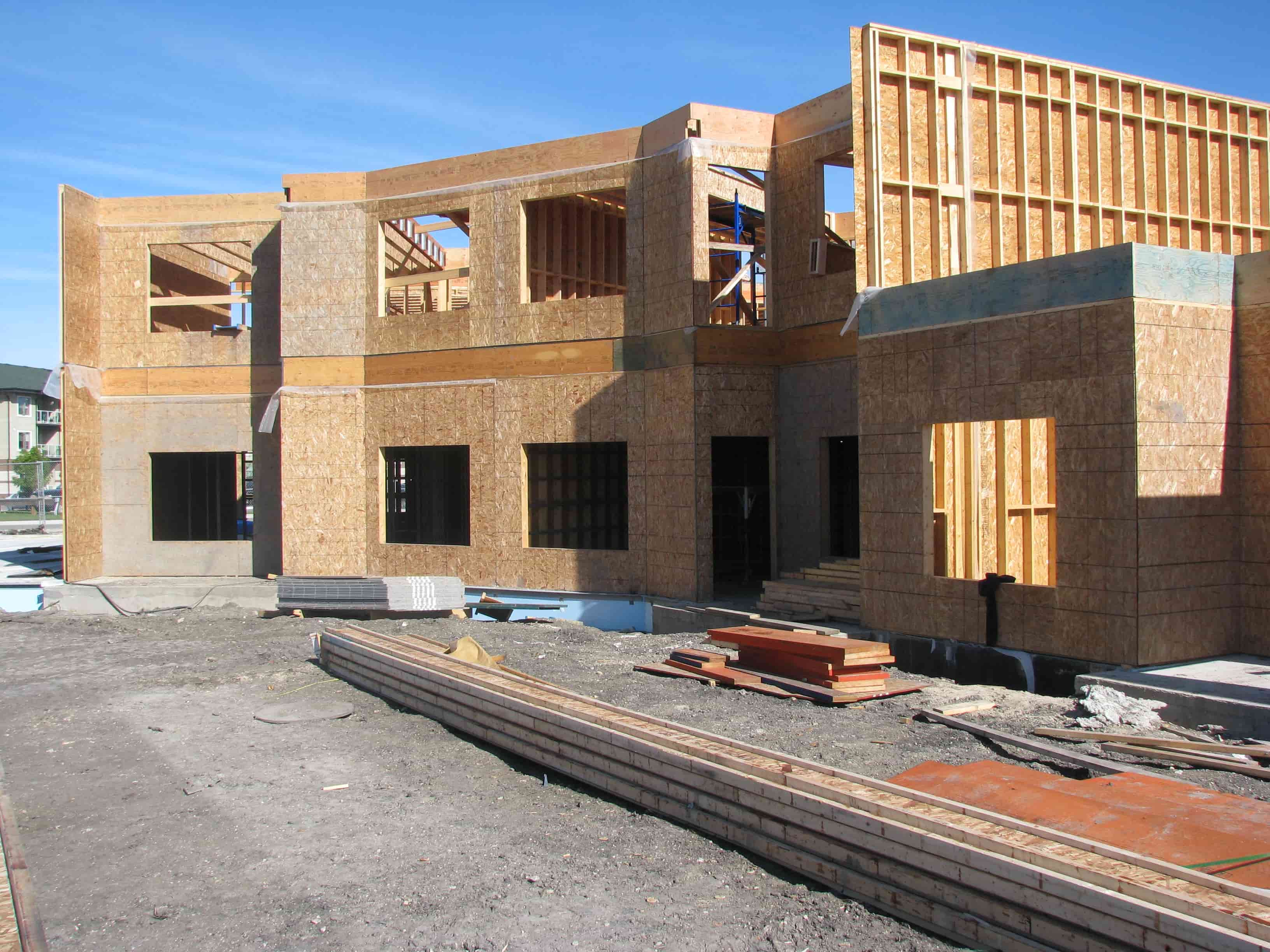
Prefabricated wall panels arrive ready for immediate installation across Louisiana’s diverse building environments. Standard and custom heights ranging from 8’ to 12’+ support architectural styles from historic New Orleans colonials to modern coastal and contemporary designs. Panel lengths typically range from 8’ to 16’, depending on layout and opening locations.
Panels are framed using 2×4 or 2×6 lumber with spacing that complies with Louisiana building codes. Advanced sheathing options, including the ZIP System, provide enhanced moisture control in Louisiana’s humid climate. All window and door openings are precision-framed to match your plans, ensuring clean, accurate installations.
Engineered floor systems are available in I-joist or open web floor truss configurations, manufactured to your exact plan specifications. Each system is designed to meet L/360 minimum performance, delivering solid, code-compliant floors, with upgrade options available for longer spans, heavier loads, or premium performance requirements.
Joist spacing ranges from 16” to 24” on center, based on structural and load criteria. Floor systems include pre-framed openings for stairs, mechanicals, and access points, with required joist hangers and hardware supplied for efficient installation.
Roof truss systems are custom-engineered and manufactured to match your roof geometry, spans, and loading conditions. Each project includes sealed truss drawings suitable for permit submission and inspection.
Trusses are designed to comply with Louisiana wind and hurricane resistance requirements, accounting for uplift, lateral forces, and local code conditions. Precision fabrication ensures consistent roof lines, accurate load transfer, and faster installation, while supporting complex roof designs without compromising structural integrity.

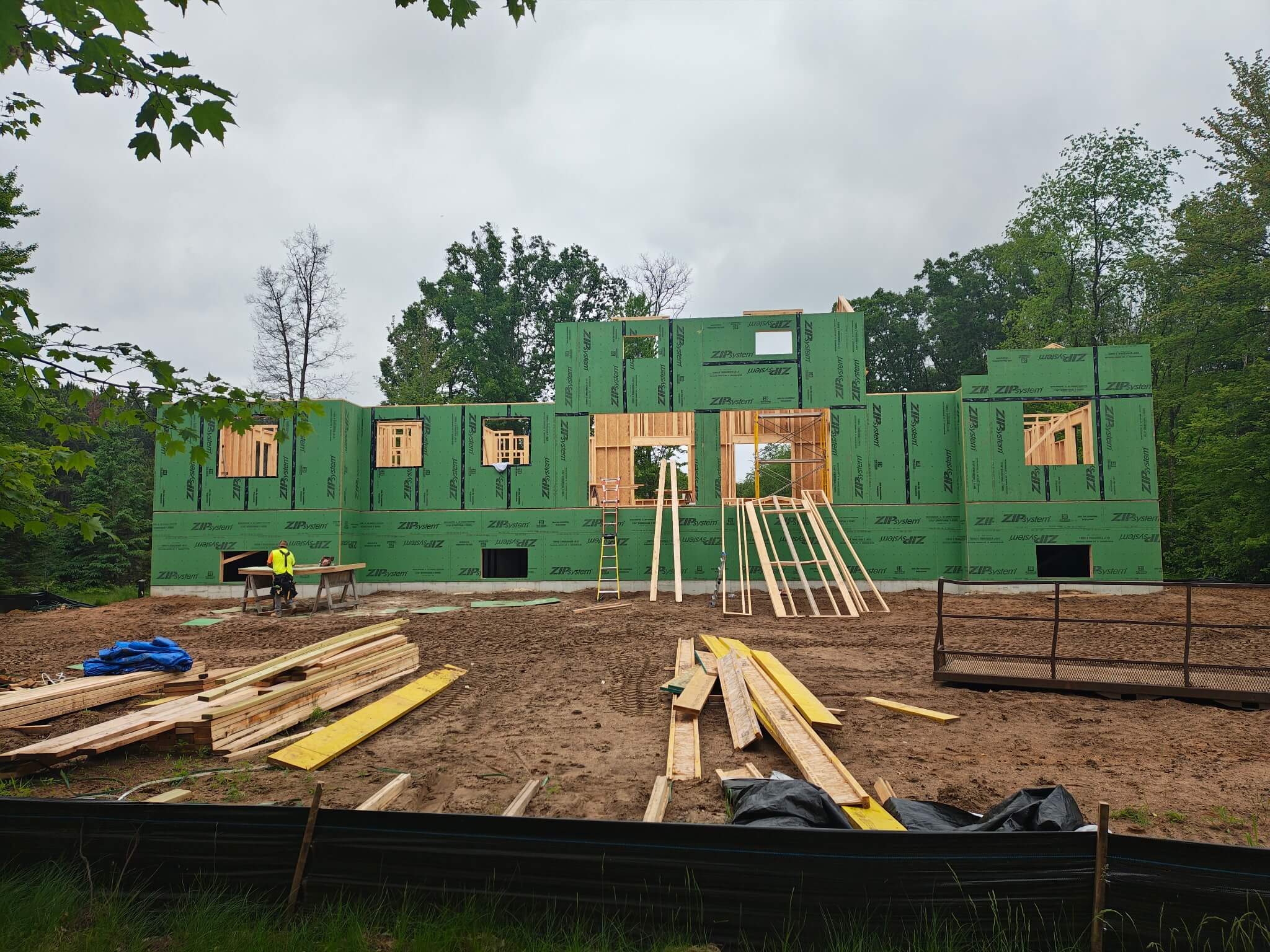
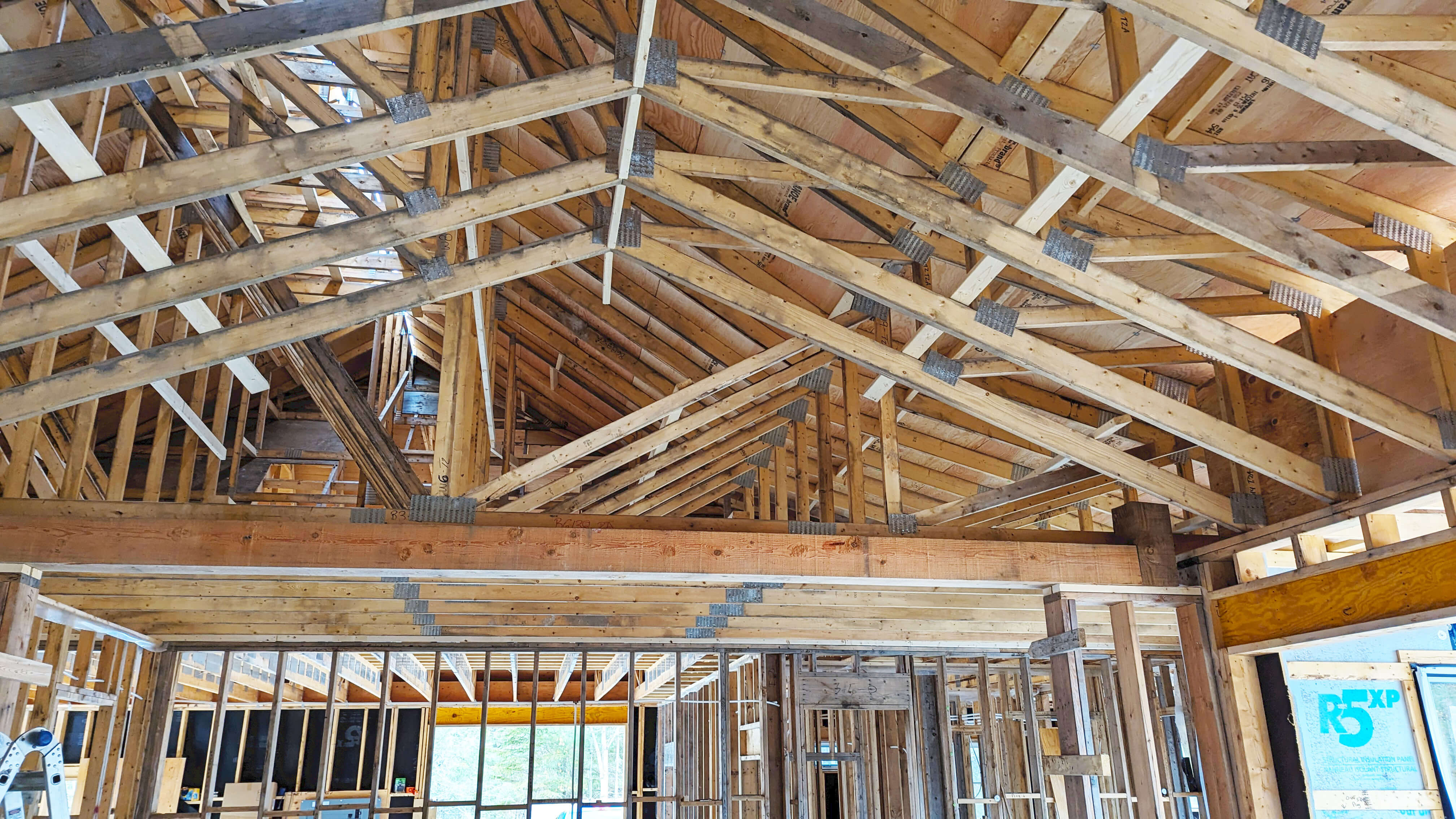
Traditional framing in Louisiana takes 5-9 weeks depending on weather and crew availability. Prefab framing systems compress structural work to 1-3 weeks regardless of conditions—critical when hurricane season creates scheduling pressures and homes sell in 62 days.
Louisiana Reality: A 3,000 sq ft home in Jefferson Parish completed its structural shell in 2 weeks—traditional framing would have required 6+ weeks. The builder achieved dry-in before hurricane season, protecting the investment. With 12.4% of homes selling above list price, capturing buyer demand quickly matters.
With Louisiana’s construction market facing persistent labor challenges despite lower costs than some states, finding experienced framers grows increasingly difficult. Prefab framing systems reduce skilled framing requirements by 60% while maintaining quality.
Owner-Builder Advantage: Louisiana’s complex building codes and hurricane requirements make owner-building particularly challenging. Prefab framing transforms complicated structural work into achievable assembly with detailed instructions and precision components.
Factory-controlled manufacturing eliminates variables compromising Louisiana construction. No material degradation from humidity exposure. No dimensional changes from Louisiana’s temperature and moisture swings. No quality inconsistencies from rotating crews.
Finish Trade Efficiency: Consistent dimensional tolerances mean drywall, flooring, and trim contractors work efficiently without constantly adapting to framing irregularities—essential for quality finishes in Louisiana’s challenging climate.
Louisiana construction costs sit 2% above national averages at $90-$150 per square foot, driven by hurricane requirements and flood specifications. Prefab framing locks in material costs during manufacturing, protecting budgets from price fluctuations while reducing on-site waste.
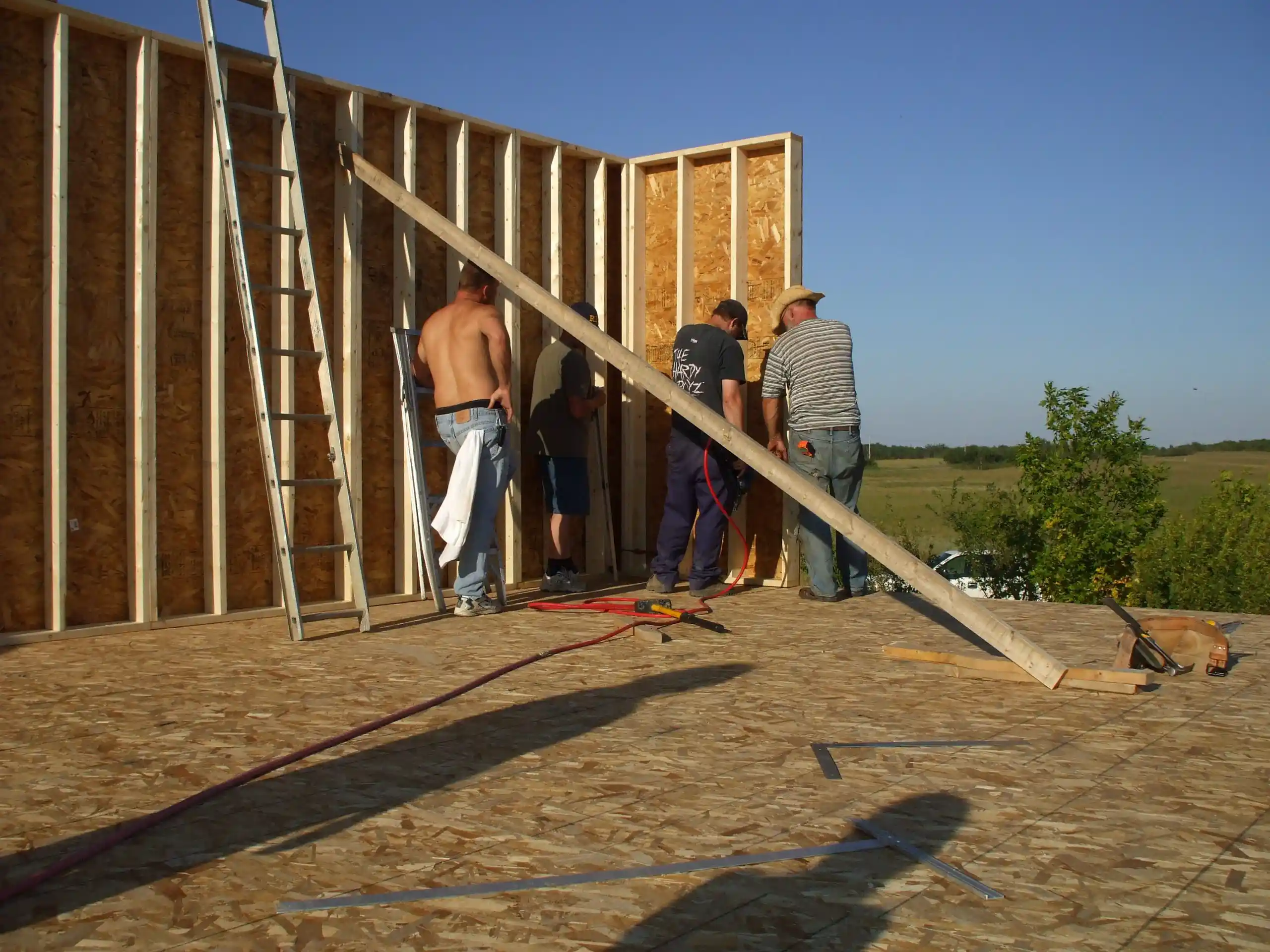
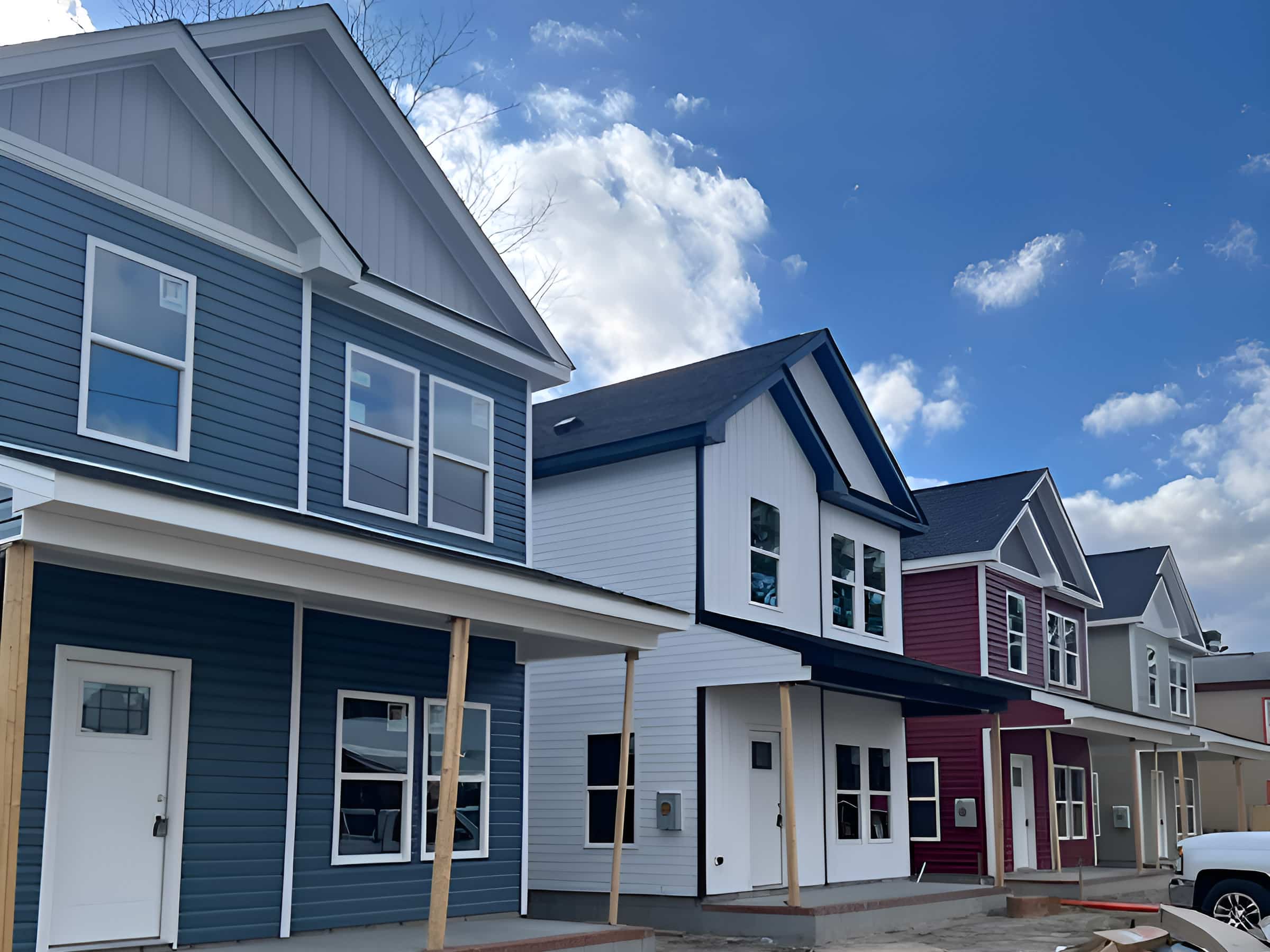
Louisiana’s hurricane-resistant building codes and insurance requirements add layers of complexity for owner-builders. Prefabricated framing systems help turn challenging projects into achievable builds by offering:
Predictable pricing that reduces budget uncertainty
Simplified installation that lowers reliance on specialized labor
Factory-precision components that remove structural guesswork
Single-source coordination that streamlines ordering and logistics
For professional builders, prefabricated framing integrates smoothly with custom architectural designs while improving efficiency and margins:
Precision-manufactured wall panels compatible with virtually any design style
Faster framing schedules that allow earlier dry-in ahead of hurricane season
Consistent quality that helps reduce callbacks and warranty issues
Clear documentation that supports smoother permitting with Louisiana building authorities
Prefab framing delivers measurable advantages for multi-unit construction in Louisiana’s competitive and weather-sensitive market:
Coordinated system deliveries that keep construction sequencing on track
Uniform quality across all units
Reduced exposure to hurricane season delays, protecting schedules and financing
Lower labor requirements, improving overall project economics
Phase 1: Project Evaluation
Submit your architectural plans or choose from available standard models. The Green-R-Panel team reviews your project goals, answers questions, and provides detailed, accurate pricing.
Phase 2: Design & Engineering
All structural components are developed using advanced AutoCAD-based drafting. Systems are manufactured to your exact specifications and in accordance with Louisiana building codes. You review and approve all layouts prior to production.
Phase 3: Precision Manufacturing
Wall panels and engineered floor and roof systems are produced in climate-controlled facilities. Rigorous quality control ensures every component meets exact tolerances and performance standards.
Phase 4: Scheduled Delivery
Components are staged and packaged to support efficient installation. Delivery is coordinated with site readiness and hurricane season considerations. Complete installation documentation is included with every shipment.
Phase 5: Ongoing Support
Every project includes sealed roof truss drawings for permitting, with continued technical and customer support available throughout construction.
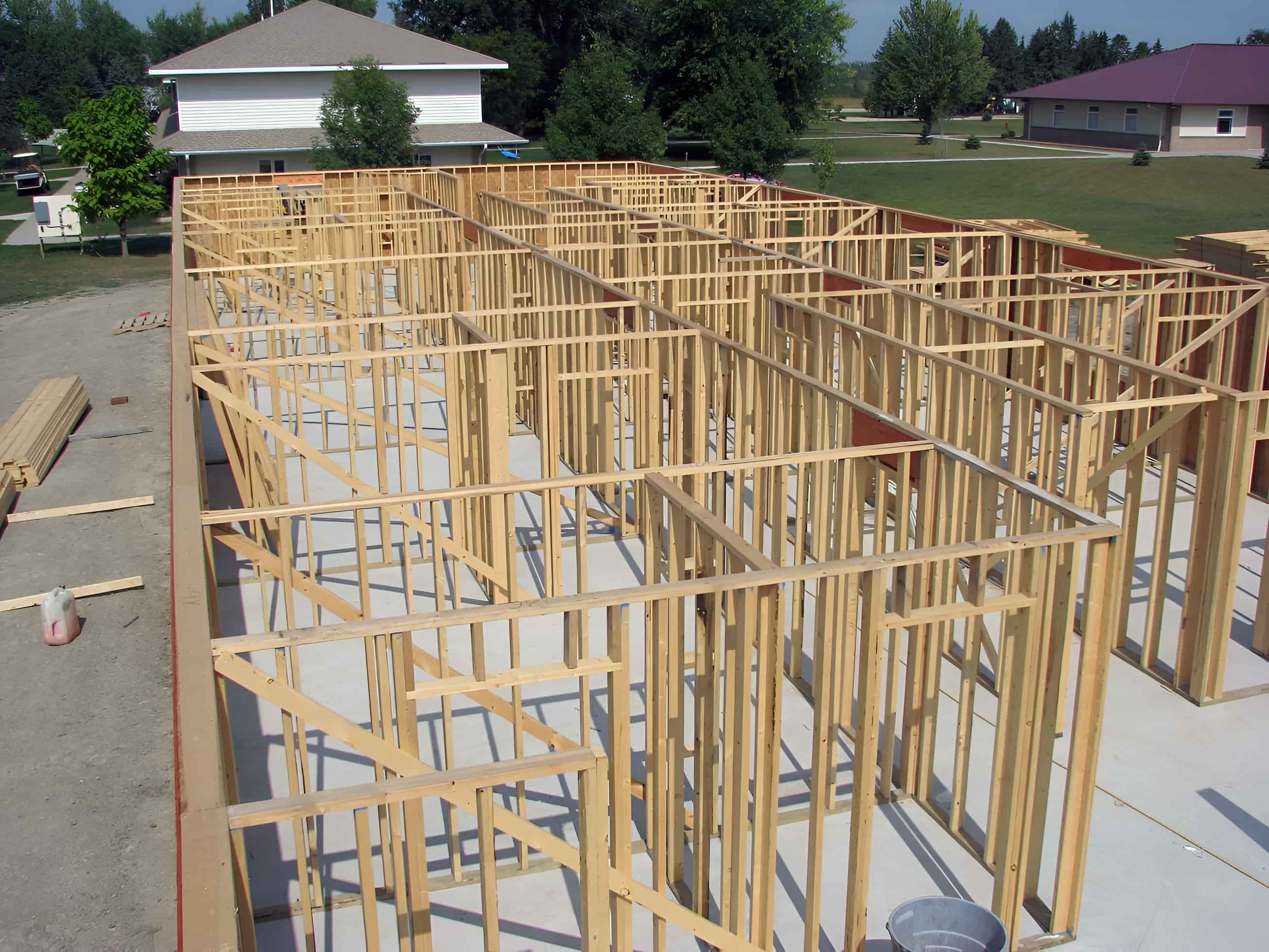
Builders across Louisiana consistently report meaningful benefits when using prefabricated framing systems:
Labor Savings: Reducing skilled framing labor by up to 60% typically saves $14,000–$26,000 on a 2,500 sq ft home
Material Efficiency: Factory-controlled production cuts waste by approximately 15–20%, resulting in $4,000–$9,000 in material savings
Faster Build Schedules: Shortening construction timelines by 4–6 weeks lowers carrying costs and enables earlier dry-in ahead of hurricane season—critical for Louisiana builds
Improved Quality: Fewer callbacks and warranty claims support stronger long-term profitability
Prefab framing systems are well suited to Louisiana’s construction conditions and deliver reliable results across a wide range of projects.
Custom homes from approximately 1,500 to 7,000+ square feet
Hurricane-zone construction requiring fast, efficient assembly
Owner-builder projects that benefit from simplified building methods
Multi-unit developments where consistency and repeatability matter
Replacement homes following hurricane or storm damage
Complete construction plans or a selected floor plan
Site details, including flood zone designation
Project timeline, accounting for hurricane season
Local permitting and applicable code requirements
Plan review and preliminary pricing: 1–2 weeks
Design development and approvals: 2–4 weeks
Manufacturing and coordinated delivery: 6–8 weeks
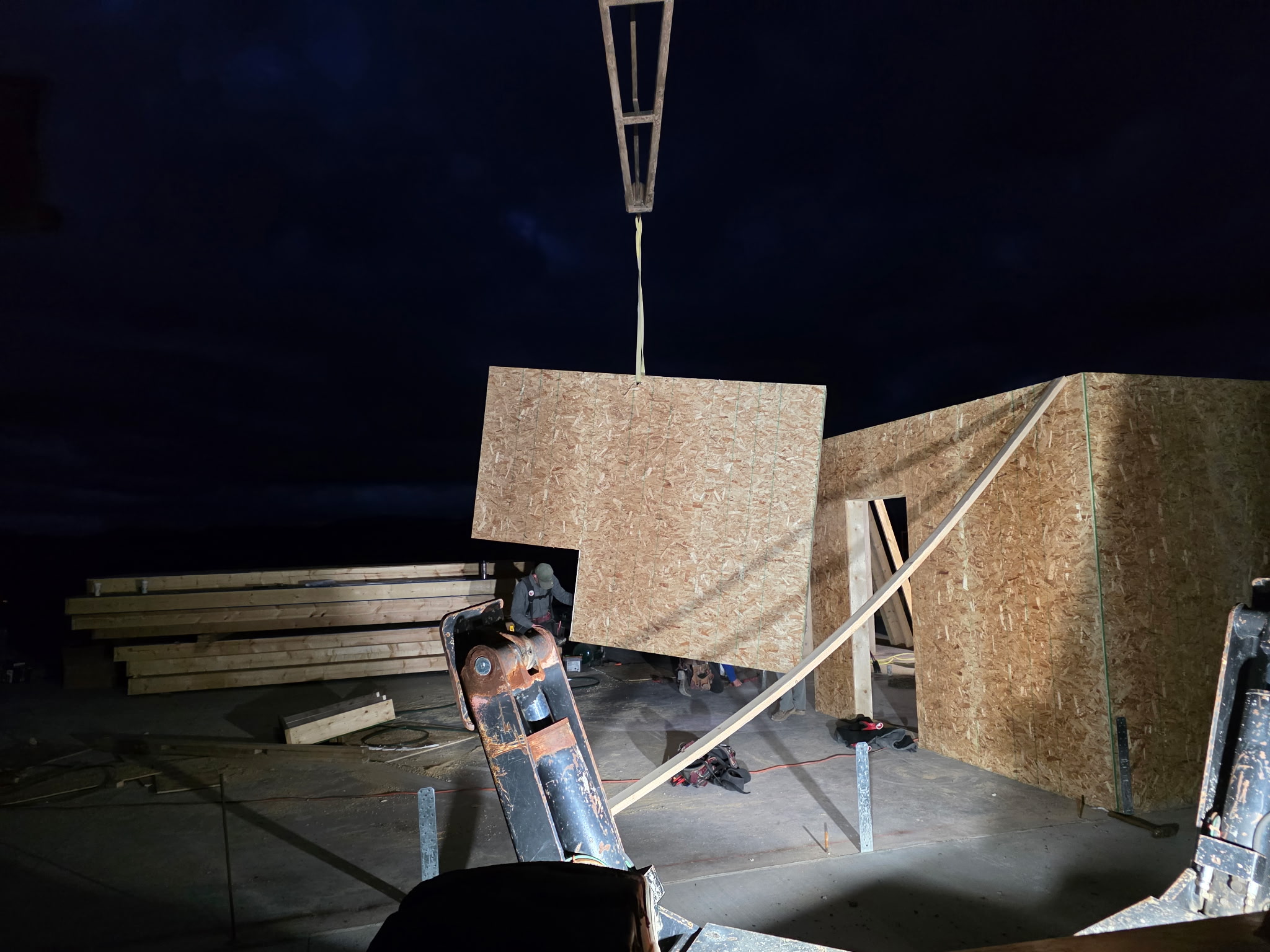
Louisiana’s housing market rewards builders who adapt to demand while managing hurricane requirements and insurance challenges. With statewide prices rising 8.4% year-over-year to $252,500 in January 2025 and homes selling quickly despite inventory constraints, opportunities exist for efficient builders.
Traditional methods face increasing challenges from hurricane requirements, labor costs, and timeline pressures. Builders who master efficient construction methods while meeting Louisiana’s demanding codes will dominate the market.
Whether you’re planning a New Orleans custom home, Baton Rouge development, or Lake Charles project, prefab framing systems provide proven solutions for Louisiana’s resilient building market.
Louisiana prefab homes don’t require compromising quality or sacrificing hurricane resistance. With prefab framing systems, you get factory precision manufactured to your specifications while maintaining complete design freedom and meeting Louisiana’s demanding building codes.
Contact Green-R-Panel today to discuss your Louisiana project. From initial consultation through delivery, we provide the expertise and support needed for successful construction in Louisiana’s challenging environment.
Get started with a Louisiana-specific project consultation and discover how prefab framing systems build resilience in the Bayou State.