
Last Updated: August 2025
Ontario is in the grip of a housing shortage unlike any in modern Canadian history. According to the Canada Mortgage and Housing Corporation (CMHC), the province must build 1.5 million new homes by 2030 just to restore affordability and keep pace with population growth. Yet in 2024, Ontario issued only 82,000 residential building permits—a staggering gap of more than 118,000 homes per year.
Meanwhile, the average price of a new single-family home in the Greater Toronto Area (GTA) now exceeds $1.2 million, while rental vacancy rates hover near 1.5%—well below the 3% threshold considered healthy. In cities like Ottawa and Hamilton, first-time buyers are being priced out entirely.
Because of these pressures, DIY owner-builders, custom contractors, and small developers are turning to a smarter solution: prefabricated framing systems that deliver speed, precision, and full design control—without the compromises of traditional construction.

If you’re planning to build your own home in Ontario, you’re likely facing a perfect storm of challenges:
As a result, traditional stick-built construction has become slower, riskier, and less predictable—particularly for those without deep industry connections or large budgets.
When most Canadians search for “prefabricated homes Ontario,” they encounter two unsatisfying options:
However, a growing number of savvy builders are choosing a third path: prefab framing systems.
Unlike modular homes, these systems deliver only the structural shell—precision-engineered wall panels, floor systems, and roof trusses—shipped to your lot ready for rapid assembly. You retain full control over finishes, layout, mechanicals, and timeline.
In short, it’s the best of both worlds: factory speed + custom flexibility.
❄️ Shorter Building Seasons, Faster Enclosure
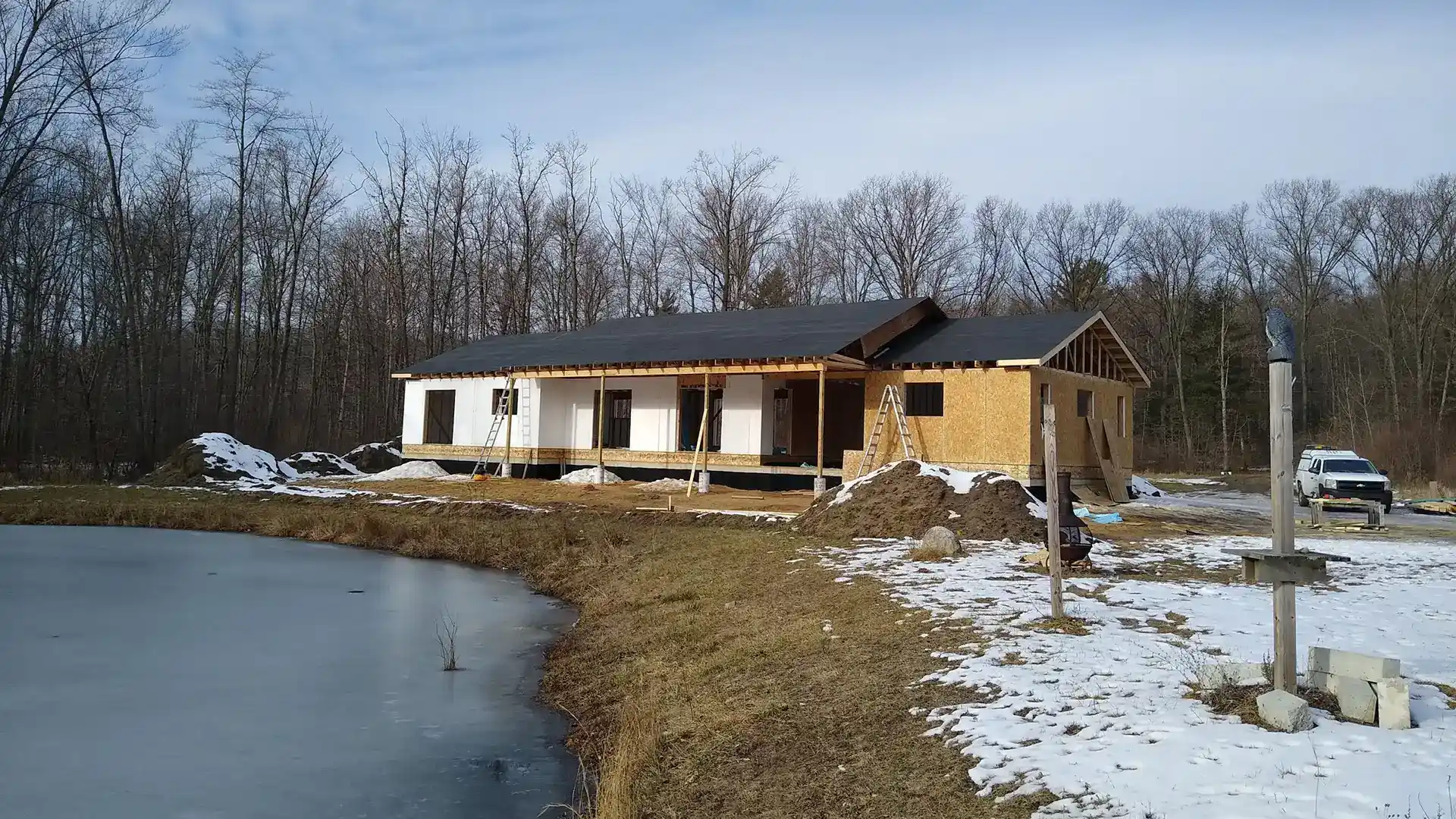
Ontario’s freeze-thaw cycles and heavy snow loads shrink the viable framing window—especially north of Barrie. With prefab framing, your weather-tight shell can be erected in 5–10 days, not 3–6 weeks. This lets you begin interior work before winter arrives, avoiding costly weather delays that can add months to your schedule.
🏗️ Meeting Ontario Building Code (OBC) Standards
The Ontario Building Code requires strict compliance with Part 9 and SB-12 energy standards. Factory-built panels ensure consistent insulation performance, air tightness, and structural precision—making code approval predictable, not stressful. Sealed engineering drawings are included, satisfying municipal reviewers from Windsor to Sudbury.
🔧 Reducing Reliance on Scarce Skilled Labor
With framers in short supply, prefab systems cut on-site labor needs by up to 60%. Your crew assembles prefab panels—no complex layout or measuring required. This means fewer callbacks, less waste, and faster progress—even with a small or inexperienced team.
When you choose a prefab framing system like Green-R-Panel, your Ontario jobsite receives:
Best of all, you control the finish stage—choose your own siding, insulation, HVAC, and interior details, just like a custom build.
🛠️ DIY Owner-Builders (From Muskoka to Windsor)
🏡 Custom Home Builders (GTA, Waterloo, London)
🏘️ Small Developers (Infill in Ottawa, Kitchener, Hamilton)
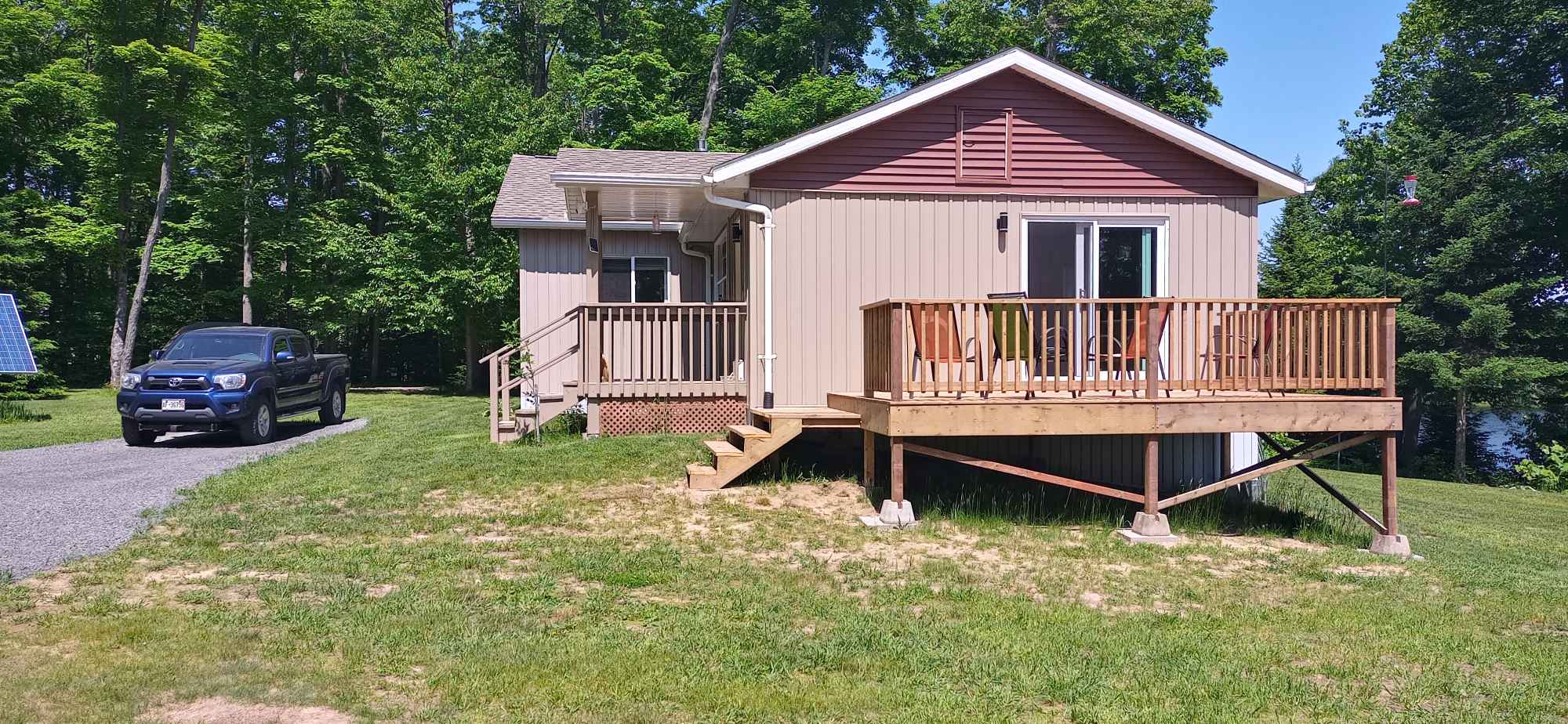
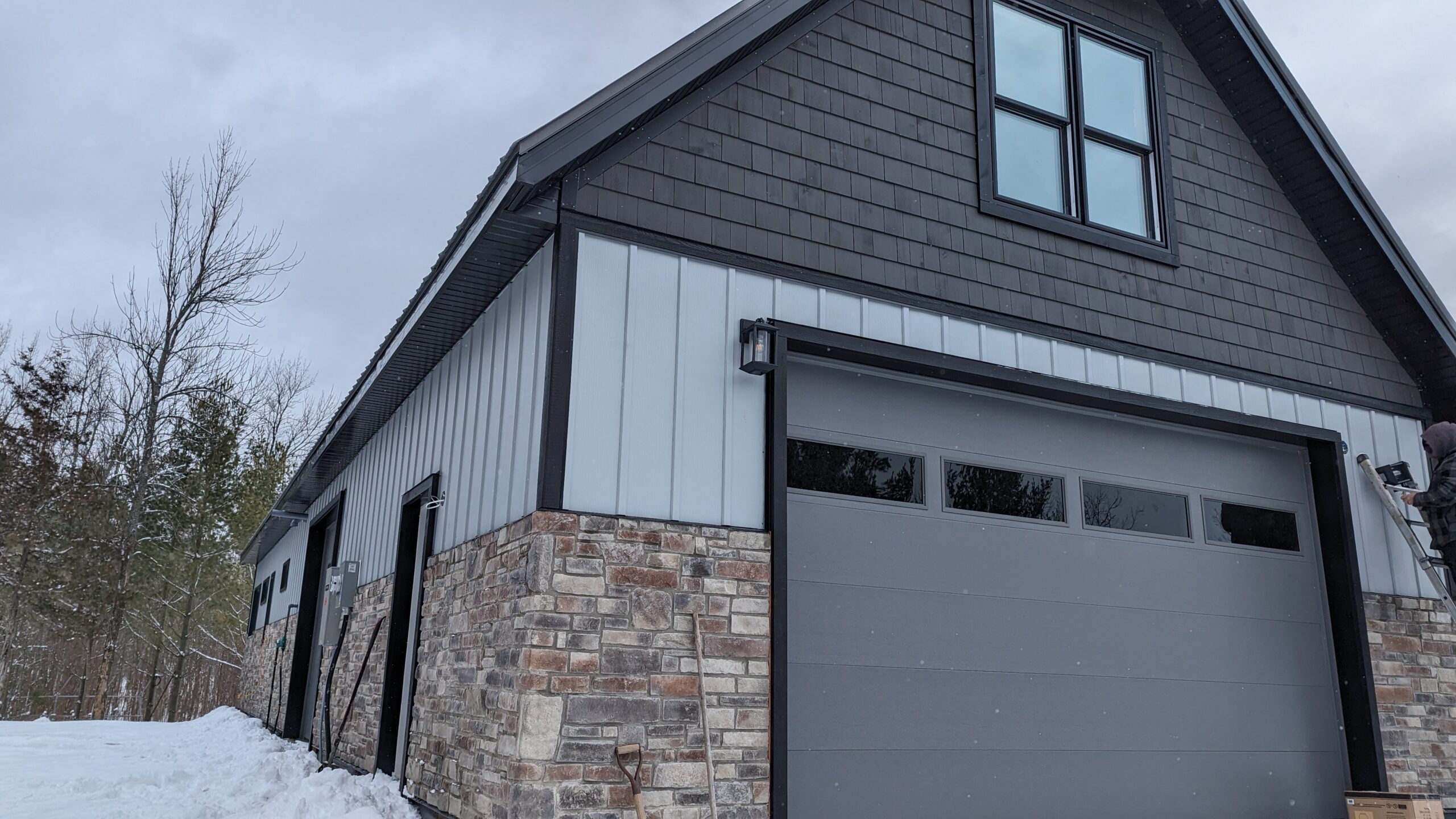
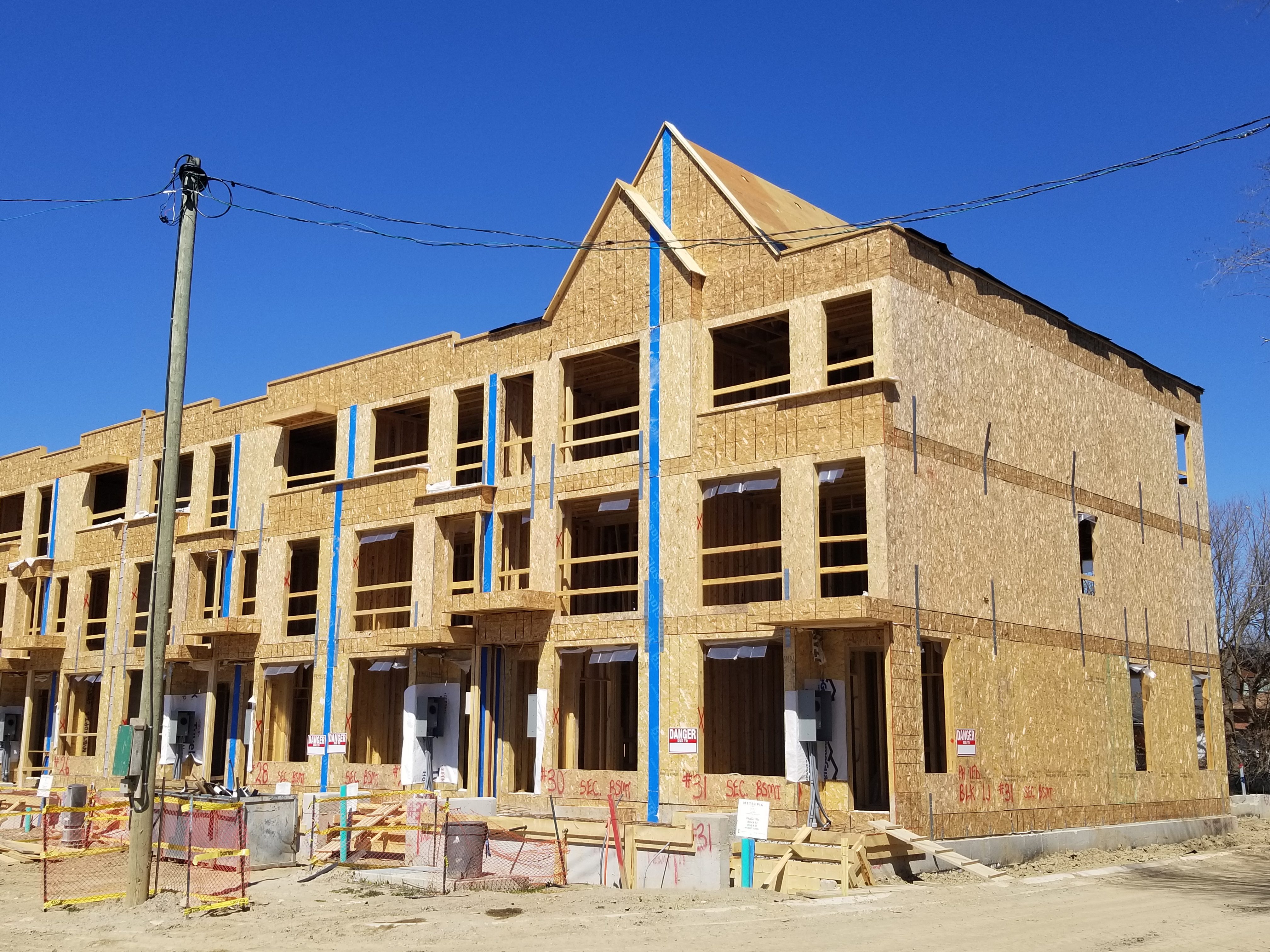
Get your free copy of The DIY Owner-Builder’s Step-by-Step Guide to Shell Completion — a simple, practical roadmap to help you plan, frame, and complete your home’s shell with confidence.
Enter your email to download and receive helpful tips, updates, and exclusive insights to keep your project on track.
Hidden Costs of Traditional Construction
Prefab Framing Value Proposition
For example, a 2,400 sq ft home in Hamilton using prefab framing can save $18,000–$25,000 in total project costs—even if framing materials cost slightly more upfront.
Environmental Impact: Building Responsibly in Ontario
Ontario homeowners increasingly demand sustainable construction. Prefab framing systems align perfectly with these values:
This isn’t just marketing—it’s code compliance. Ontario’s Green Building Standards and municipal bylaws (e.g., Toronto Green Standard) increasingly require these outcomes.
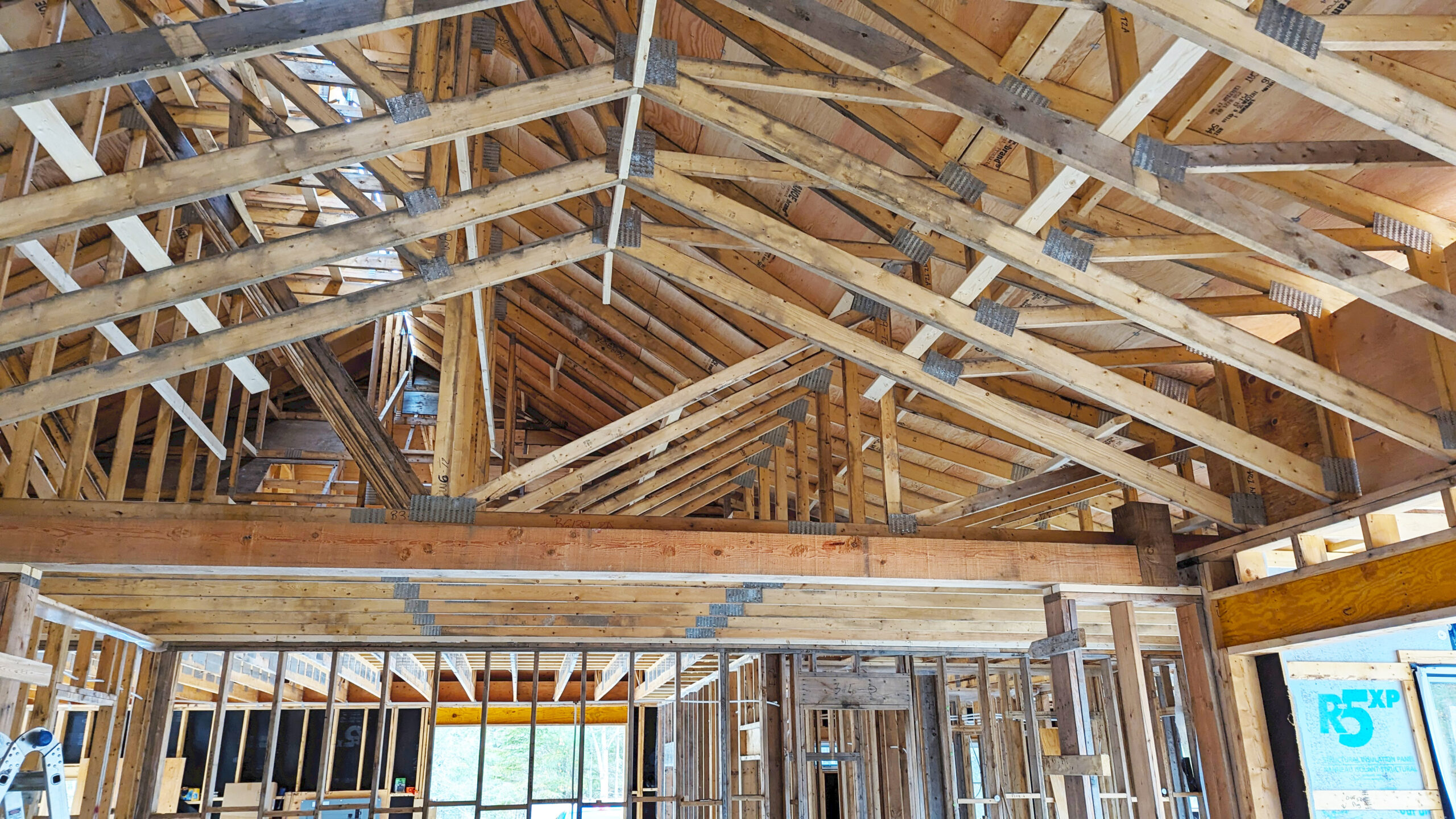
Phase 1: Design Integration (2–3 Weeks)
Submit your architectural plans. Green-R-Panel’s team reviews for constructability, optimizes panel layouts, and ensures OBC compliance.
Phase 2: Factory Production (4–8 Weeks)
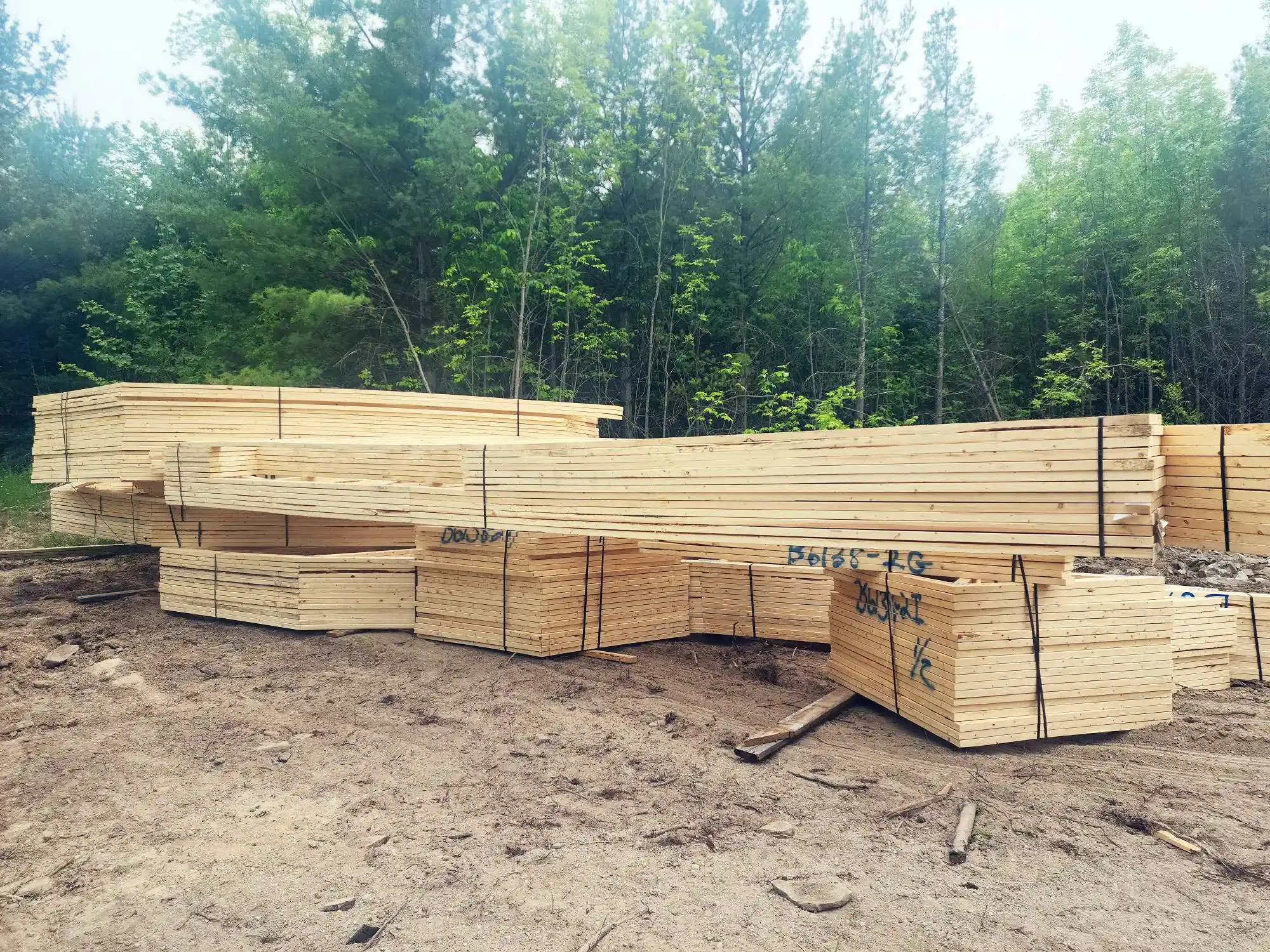
While your foundation is poured, your framing system is built in a climate-controlled facility—no weather delays, no material theft.
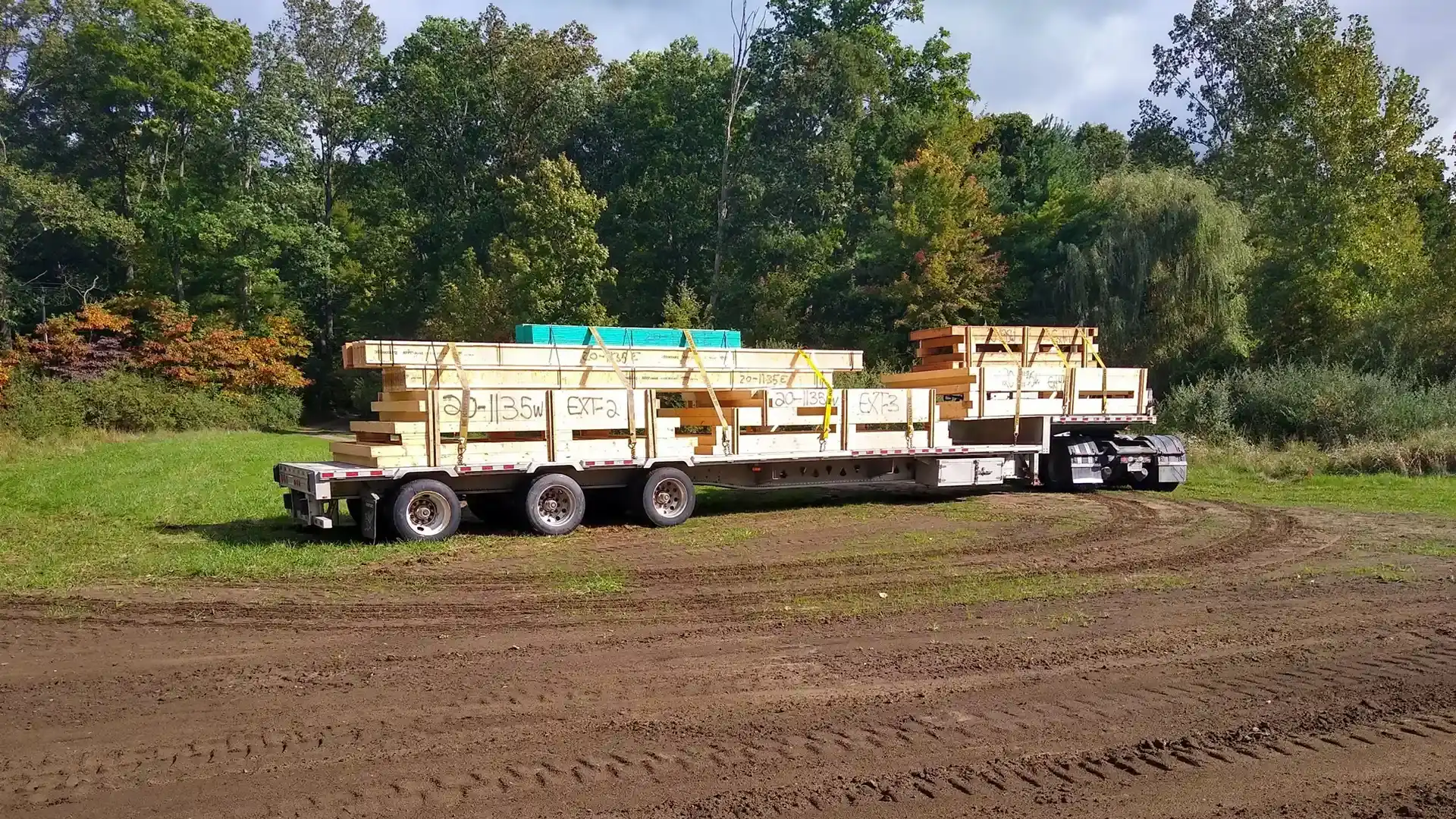
Phase 3: Coordinated Delivery
Components arrive in 1–2 organized truckloads, sequenced for assembly: floors, walls and roof systems.
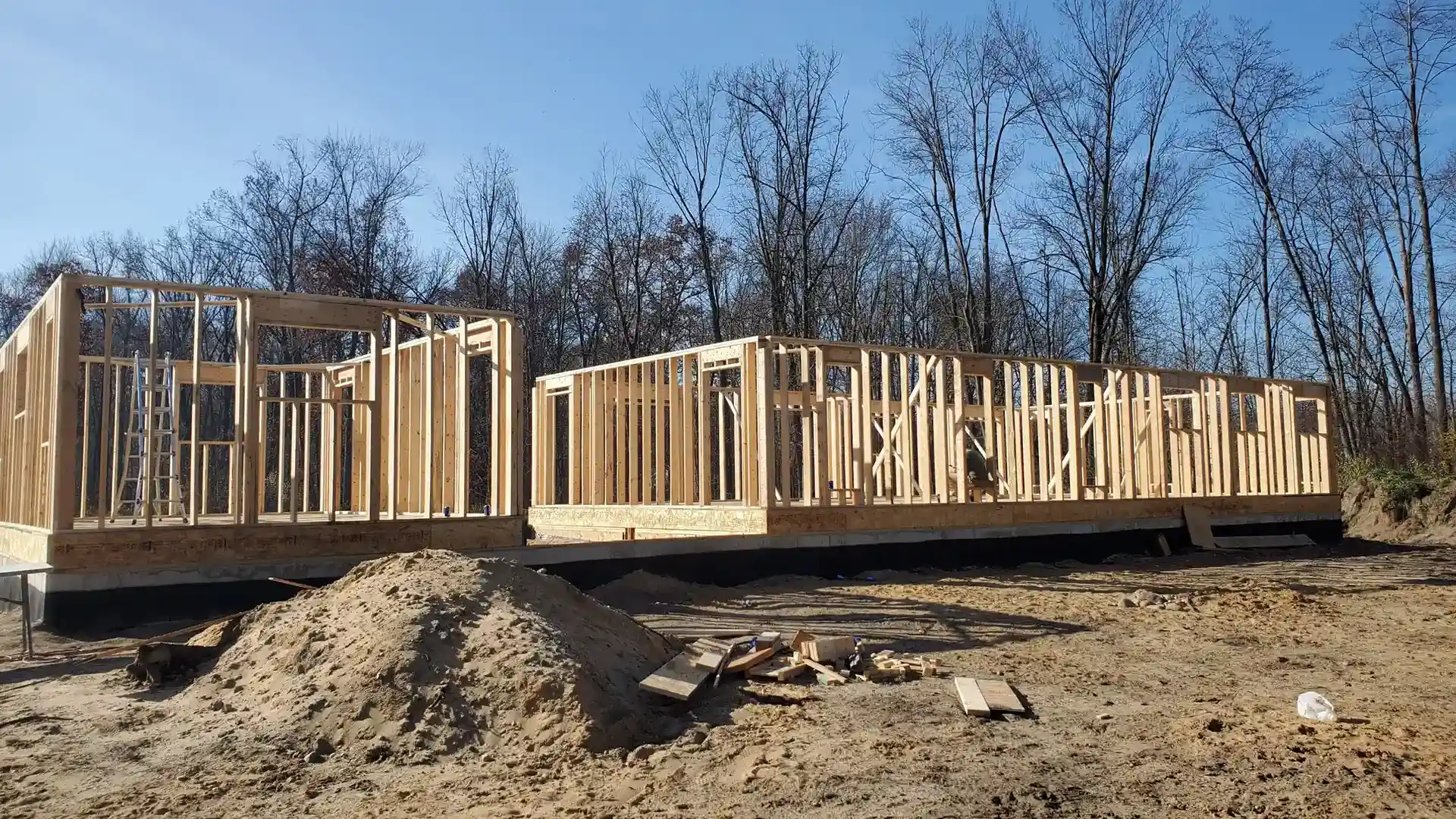
Phase 4: Rapid Assembly (10–14 Days)
With clear instructions and phone support, your crew erects the weather-tight shell—even in late fall, before winter sets in.
GTA | High land cost, tight lots, neighbor noise complaints | Fast shell = less disruption; precise panels fit tight spaces |
Ottawa/Eastern ON | Heavy snow, cold winters | Engineered for 3.5 kPa snow load; rapid enclosure |
Southwestern ON | Humidity, mold risk | Factory-dry lumber; tight building envelope |
Northern ON | Extreme cold, labor scarcity | Ship in summer; assemble fast before freeze-up |
Muskoka/Cottage Country | Seasonal access, remote sites | 1–2 deliveries; no need for long-term crew housing |
Custom Builder: Muskoka Lake Home
A custom builder in Gravenhurst switched after three projects were delayed by rain and labor shortages.
Results:
Owner-Builder: Rural Lanark County
A retiree building his dream home struggled to find framers.
Results:
Developer: Infill Townhomes in Kitchener
A 6-plex infill project needed speed and consistency.
Results:
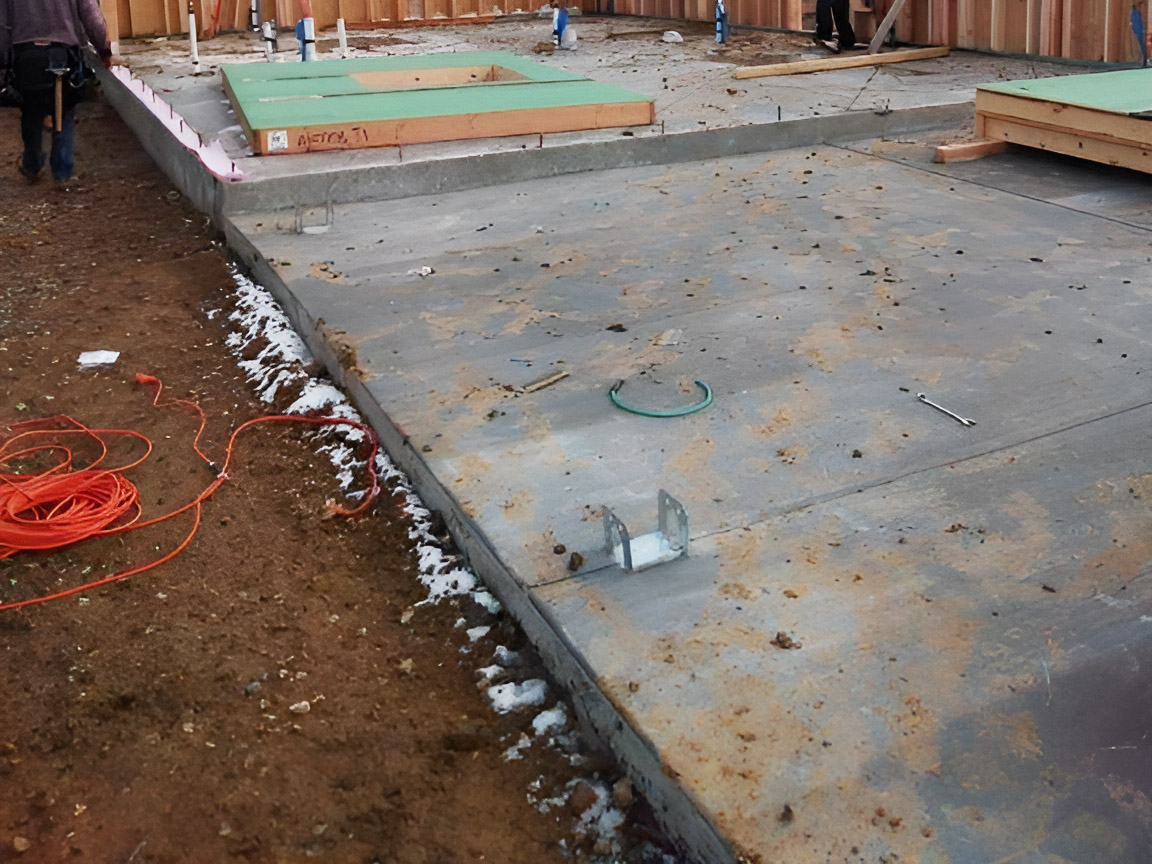
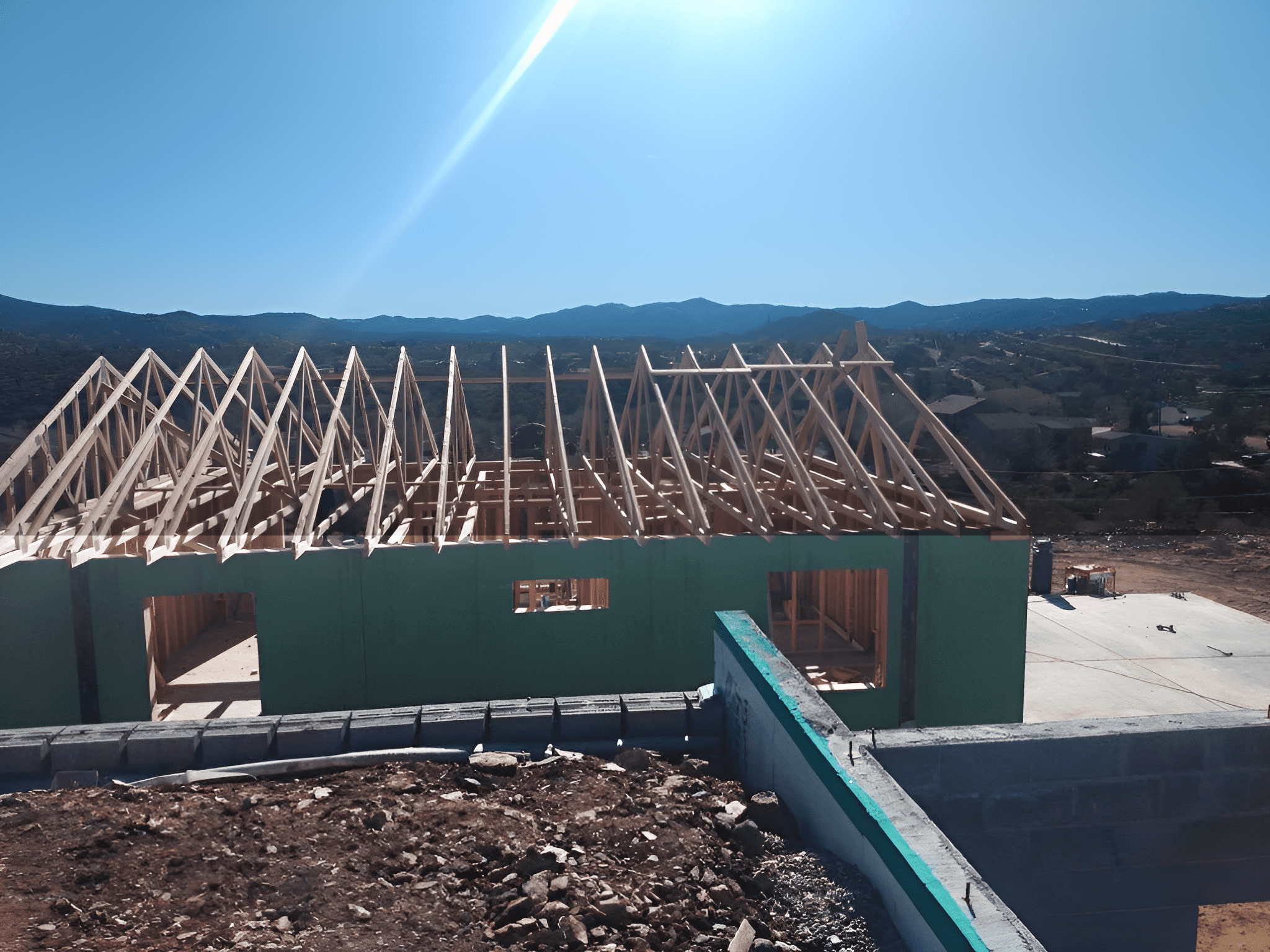
Ontario’s construction industry is evolving rapidly. Builders who adapt early gain sustainable advantages:
Prefab framing isn’t a trend—it’s the new baseline for smart building in Ontario.
Choose Prefab Framing If You:
Traditional May Work If You:
Trusted by do-it-yourself owner-builders and professionals for 20+ years—build smarter with Green-R-Panel’s proven support.
Ontario’s most successful builders aren’t waiting for conditions to improve. They’re implementing solutions that work today—regardless of weather, labor, or cost volatility.
By choosing prefab framing, you gain:
The question isn’t whether prefab framing will become standard in Ontario—it already is among forward-thinking builders. The real question is: Will you lead or follow?