
Last updated: January 2026
The median home price reached $517,600 in December 2025, up 6.3% from the previous year. Rhode Island’s housing market remains one of the hottest in the nation, with Providence seeing a 2.5% growth year-over-year, with an average home value of $503,409.
The Affordability Crisis Reality
To buy a median-priced single-family home, households now need close to $130,000 in annual income. Even Pawtucket, the most “affordable” city, requires yearly household income of roughly $128,000 to purchase the median-priced home of about $393,000.
For the first time ever, renting is also out of reach statewide—to afford a typical two-bedroom rental with utilities, residents need more than $60,000 annually, while the median renter earns about $12,000 less. Rhode Island renters must earn $31.71 an hour—or $65,954 a year—to afford a typical $1,649 apartment.
Current Market Conditions
In December 2025, 38.8% of homes in Rhode Island sold above list price, with homes spending a median of 39 days on the market. The market remains highly competitive despite gradual improvements in inventory.
Rhode Island is making real progress on its housing shortage, with recent state legislation enabling lot subdivisions and legalizing single-family townhomes in more zoning districts. However, new construction progress takes time—simple projects require up to 12 months to complete, while complex developments can stretch over multiple years.
The Human Cost
One-third of all Rhode Island households are cost-burdened, spending more than 30% of their income on housing. Among them, 44% are severely cost-burdened, spending half their income on shelter. This creates impossible choices for working families.
The number of people experiencing homelessness decreased by 3% from 2024 to 2025, but the 2025 Point-in-Time Count found a 36% increase in the number of unsheltered chronically homeless Rhode Islanders.
A person making the state minimum wage of $15 per hour (as of January 2025, scheduled to increase to $16 in 2026) would have to work 85 hours a week to afford a basic two-bedroom apartment. The gap between wages and housing costs continues widening.
The Construction Labor Challenge
The construction industry faces a critical workforce shortage that directly impacts housing development timelines and costs. The US construction industry needs an estimated 439,000 additional workers in 2025 to meet demand, a number expected to climb to nearly 500,000 in 2026.
Rhode Island’s Labor Crisis
Rhode Island’s labor force participation rate was 63.8% in November 2025, with the unemployment rate at 4.3%. While these figures appear stable, the state faces significant challenges attracting and retaining construction workers.
Construction employment was flat in Q1 2025 despite rising demand for housing. With growing need for housing development, the lack of skilled workers causes project delays and drives up costs significantly.
Industry-Wide Challenges
With a growing demand for housing and infrastructure development, the need for more skilled workers is causing project delays and driving up costs. The National Center for Construction Education and Research estimates about 41% of the construction workforce will retire by 2031.
If you’re researching Rhode Island prefab homes, you’re smart to seek faster, more predictable building solutions.
Here’s what successful Rhode Island builders have discovered: prefab framing systems deliver everything prefab homes promise—speed, quality, cost control—while eliminating design restrictions and premium pricing that plague complete prefab structures.
The difference matters significantly. While prefab homes lock you into factory limitations, prefab framing systems provide precision-manufactured components with unlimited architectural flexibility. Most Rhode Island builders save money while maintaining complete design control over their projects.
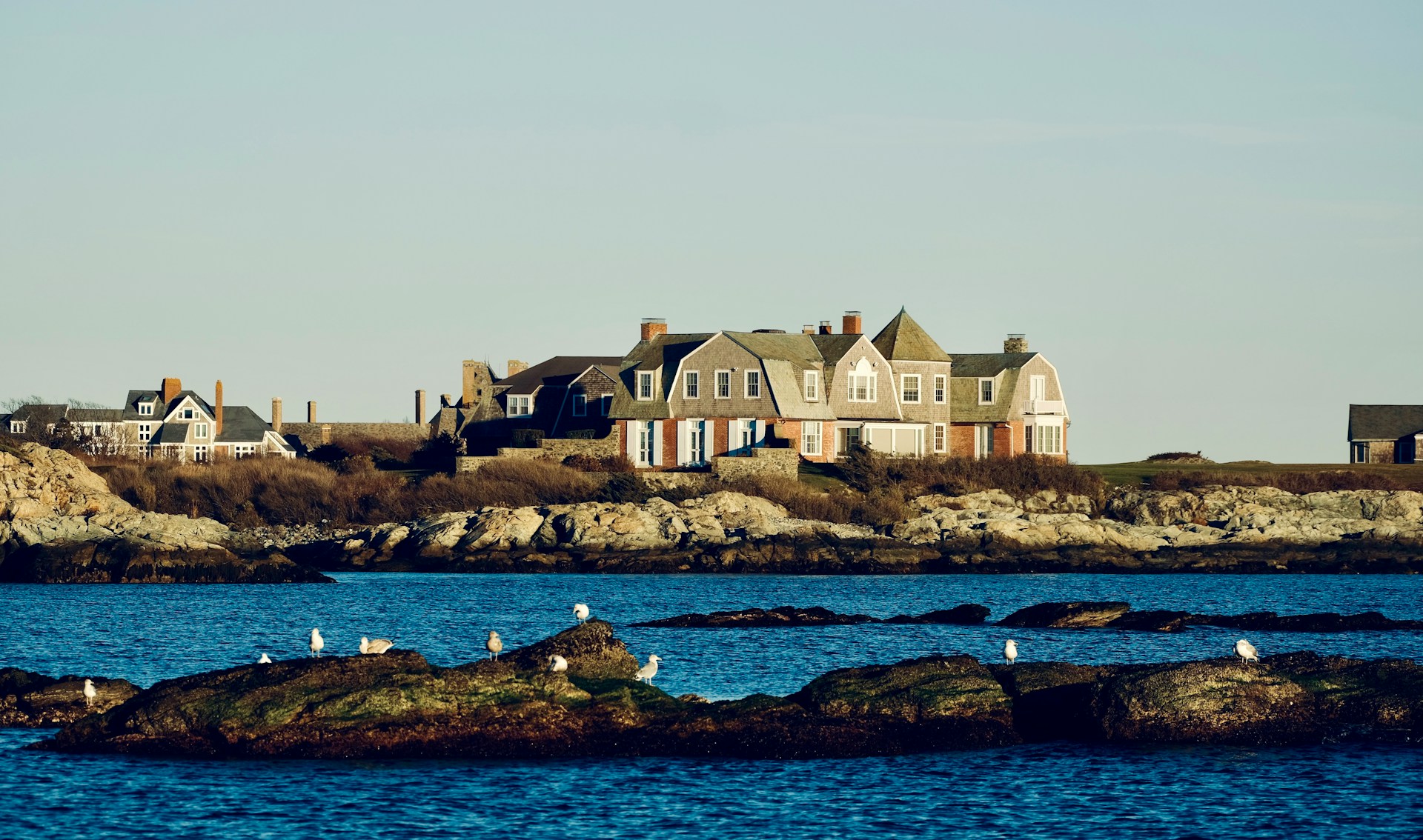


Understanding key differences helps you choose the right approach for your Rhode Island project.
Complete Prefab Homes:
Prefab Framing Systems:
Complete Prefab Homes:
Prefab Framing Systems:
Complete Prefab Homes:
Prefab Framing Systems:
Complete Prefab Homes:
Prefab Framing Systems:
Get your free copy of The DIY Owner-Builder’s Step-by-Step Guide to Shell Completion — a simple, practical roadmap to help you plan, frame, and complete your home’s shell with confidence.
Enter your email to download and receive helpful tips, updates, and exclusive insights to keep your project on track.
Traditional framing takes 5-9 weeks for structural shell completion in Rhode Island. Weather delays extend timelines significantly further. Prefab framing systems reduce shell completion to 1-3 weeks for most residential homes.
Real Timeline Benefits:
Rhode Island’s severe labor shortage makes skilled framers difficult to find and expensive to hire. Prefab framing systems reduce skilled labor requirements by up to 60% during framing phases.
Labor Efficiency Advantages:
Factory-controlled manufacturing eliminates variables that plague job site construction. Temperature-controlled environments prevent material warping and damage. Automated systems ensure consistent quality throughout entire production.
Quality Benefits:
Controlled manufacturing virtually eliminates material waste on projects. No lumber sitting in Rhode Island weather conditions deteriorating. No theft from job sites affecting budgets. No over-ordering materials “just in case.”
Cost Protection:
Prefab framing systems deliver precision-manufactured building components. Your home’s structural shell—walls, floors, and roof—arrives as engineered panels and systems ready for quick assembly.
Precision-Manufactured Wall Panels:
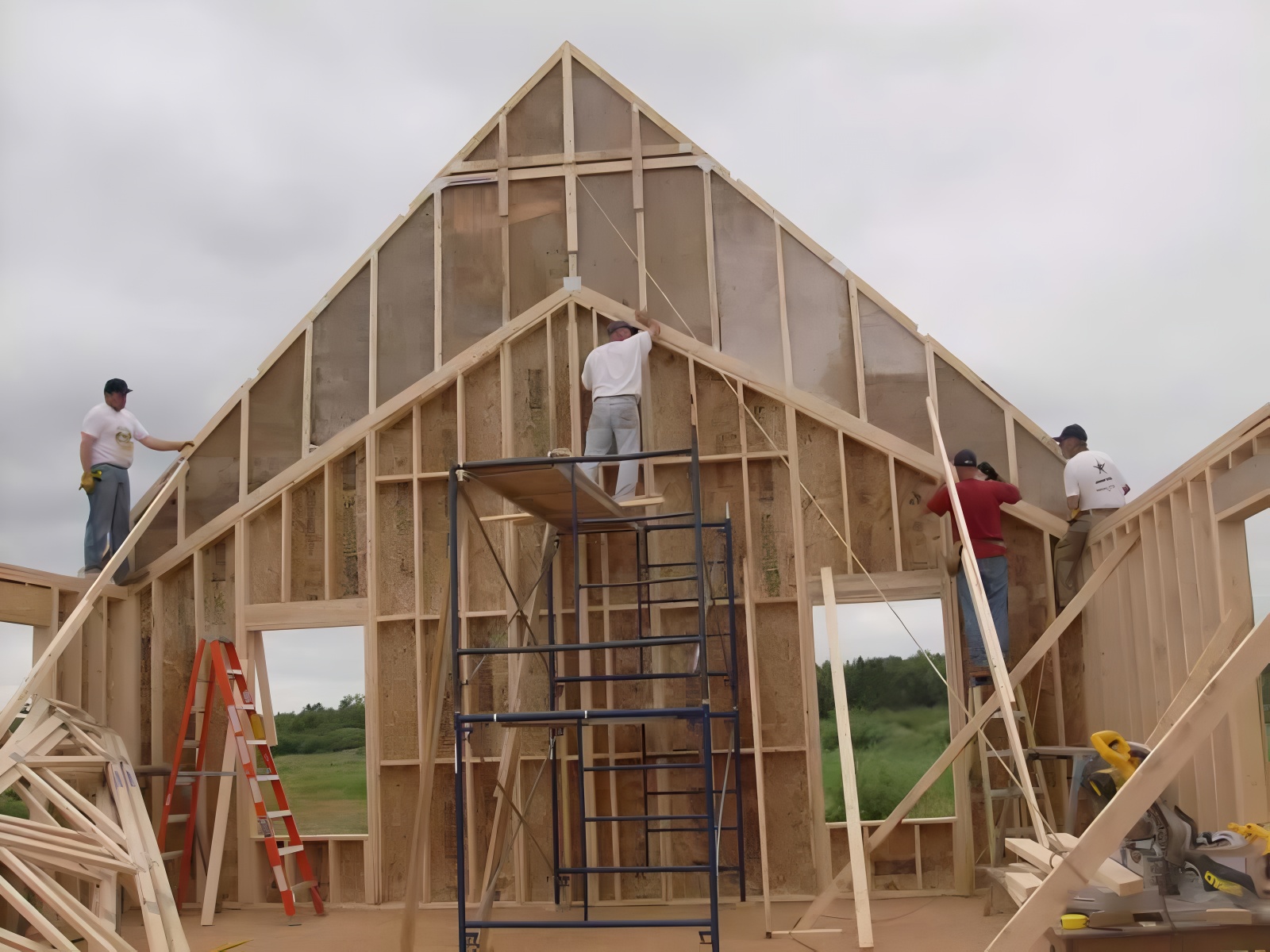
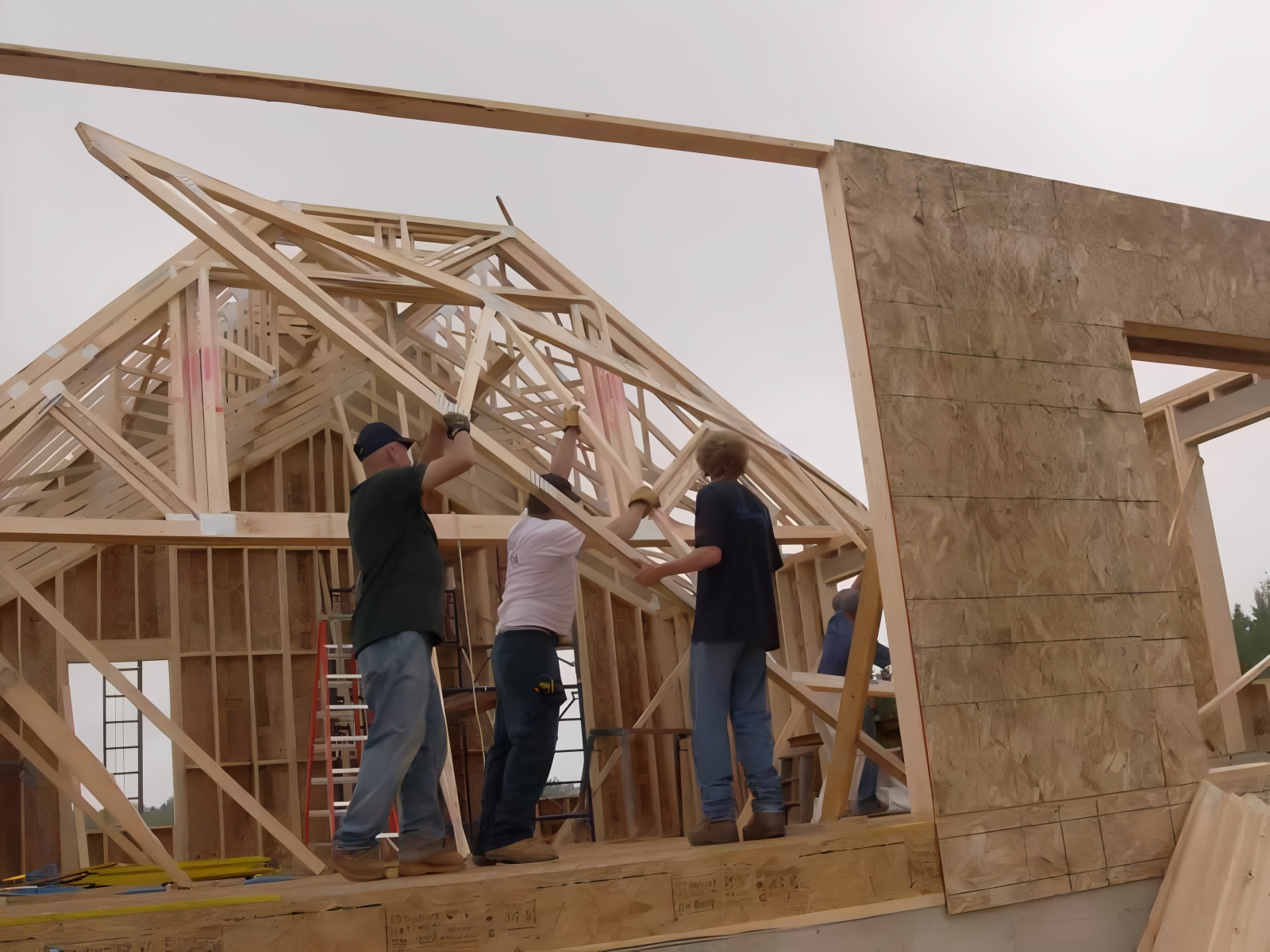
Traditional stick-framing in Rhode Island takes 5-10 weeks when conditions cooperate. But between Nor’easters, winter freezes, and coastal humidity, you’re looking at 12-15 weeks realistically. Prefab framing cuts structural work to 1-3 weeks—rain, snow, or shine. When construction loans are ticking and buyers expect closings within 60 days, that timeline matters.
Local Project: A 2,600 square foot home in Warwick reached structural dry-in in just 16 days during February—right when coastal storms typically halt outdoor work for weeks. Traditional framing would have stretched to 7-11 weeks with weather delays. The builder advanced interior trades by seven weeks, finishing before spring demand hit.
Finding experienced framers gets tougher every season across Rhode Island, even with competitive wages. Prefab framing cuts skilled labor needs by 60% while delivering quality that sails through local inspections.
Owner-Builder Edge: Rhode Island’s tight housing market draws motivated owner-builders looking to build equity through hands-on involvement. Prefab framing transforms complex structural work into manageable installation—complete with detailed guides and precision-cut components that fit exactly right.
Climate-controlled manufacturing eliminates Rhode Island’s weather risks entirely. Materials never soak up moisture during spring storms. Summer humidity doesn’t warp lumber. Temperature swings don’t compromise accuracy during production.
Subcontractor Benefit: HVAC techs, electricians, drywall crews, and finish carpenters move faster when framing stays true. No constant fixes for bowed walls or out-of-square corners—they deliver the quality Rhode Island homeowners expect, on time.
Rhode Island construction runs $150-$280 per square foot—among New England’s highest. Prefab framing locks material costs during manufacturing, shielding budgets from price volatility while cutting waste by 15-20%. That protection matters when margins are tight.
Material waste on conventional sites costs $5,000-$9,000 on typical 2,400 square foot homes. Factory precision eliminates that expense completely.

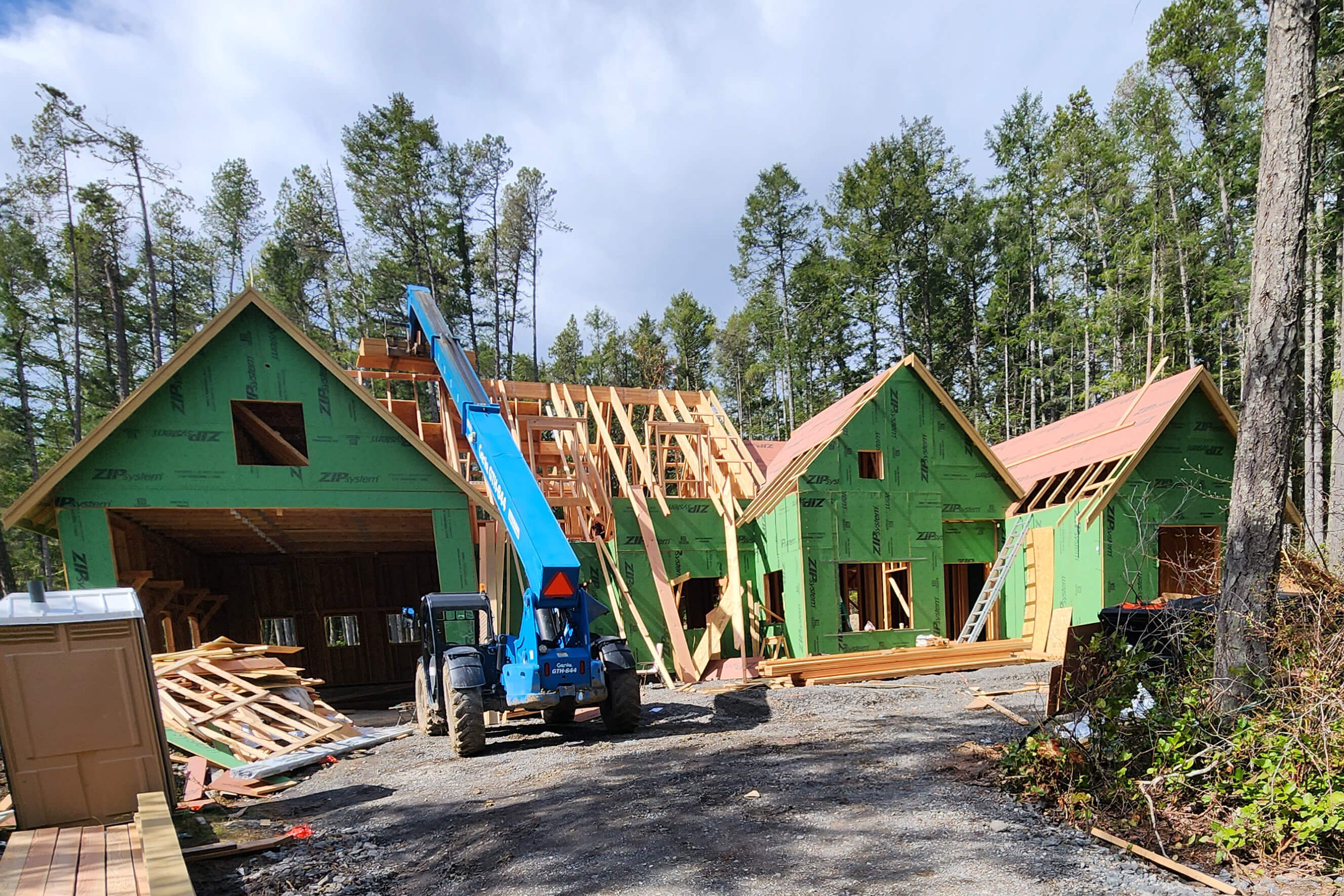
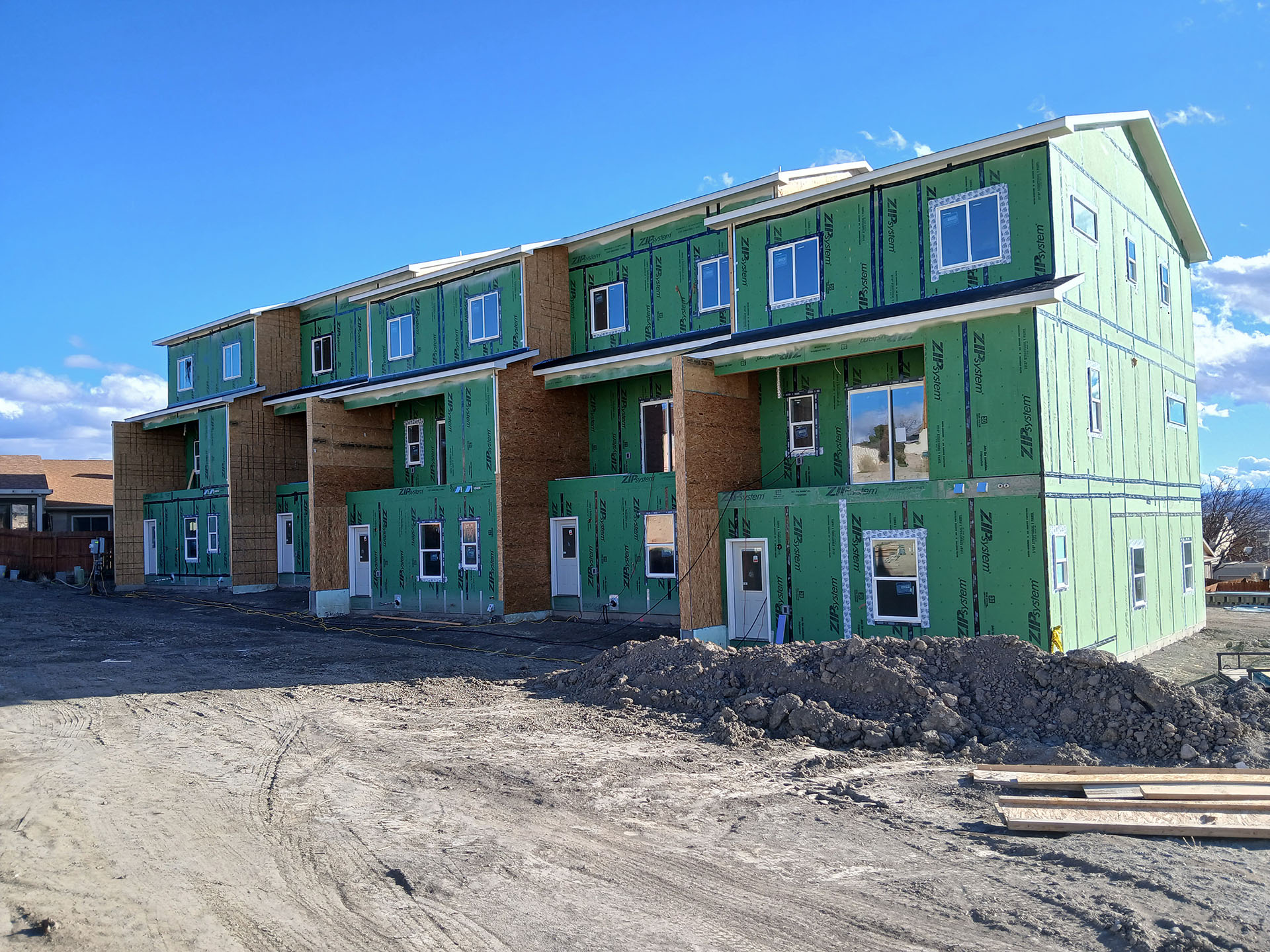
Rhode Island’s housing crisis has pushed more buyers toward owner-builder projects as a way to access homeownership. With median home prices at $517,600 and renters needing to earn $65,954 annually just to afford a typical apartment, building your own home is increasingly the only viable path to equity. Prefab framing makes challenging projects achievable:
Custom builders across Providence, Warwick, and coastal communities integrate prefab framing seamlessly with unique designs while protecting profit margins in a competitive market:
Multi-home projects gain substantial advantages through prefab systems, especially with Rhode Island’s new legislation enabling lot subdivisions and legalizing single-family townhomes:
Step 1: Collaborative Project Review
Submit your plans or select from standard available models. Green-R-Panel’s team reviews your project requirements thoroughly. You receive a detailed quote based on your exact specifications.
Step 2: Custom AutoCAD Design
Your home’s structural components receive precision AutoCAD design. Every panel, joist, and truss fits perfectly together. You review and approve all layouts before manufacturing begins.
Step 3: Factory Production
Precision wall panels and engineered floor and roof systems manufacture in controlled environments. Components load into logical shipments for efficient delivery to your site.
Step 4: Job Site Delivery
Components arrive in 1-2 logical loads based on project size. Installation sequence guidance accompanies every delivery package. This minimizes job site congestion and confusion throughout assembly.
Step 5: Installation Support
Phone and email support available throughout installation process. Component layouts, framing drawings, and sealed truss engineering documentation included with delivery.
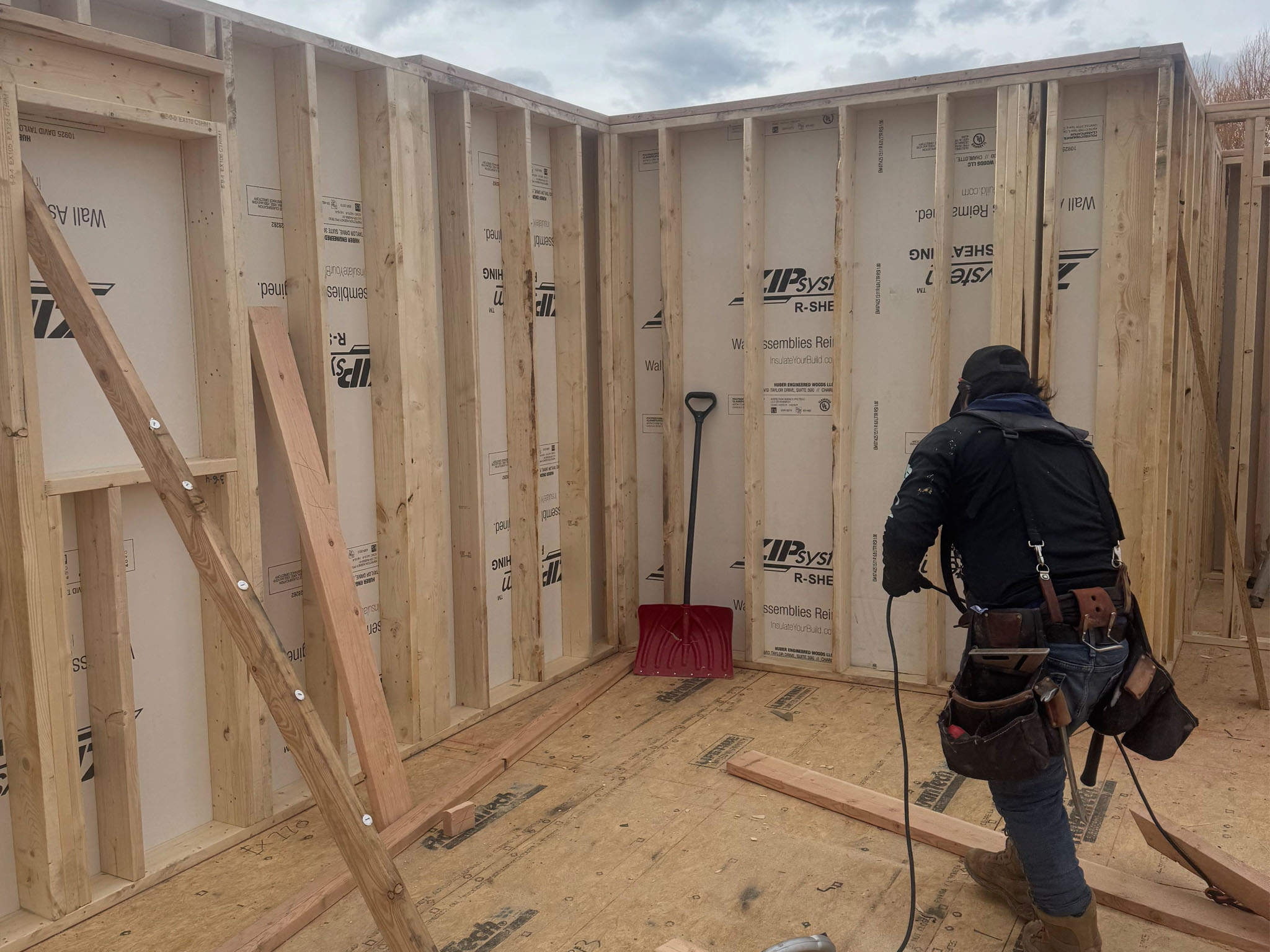
Labor shortages create tangible construction problems affecting every Rhode Island builder:
These challenges make traditional construction increasingly risky and expensive for Rhode Island builders.
Projects That Benefit Most
Prefab framing systems work exceptionally well for:
Starting your project requires several key elements:
Typical project timelines include these phases:
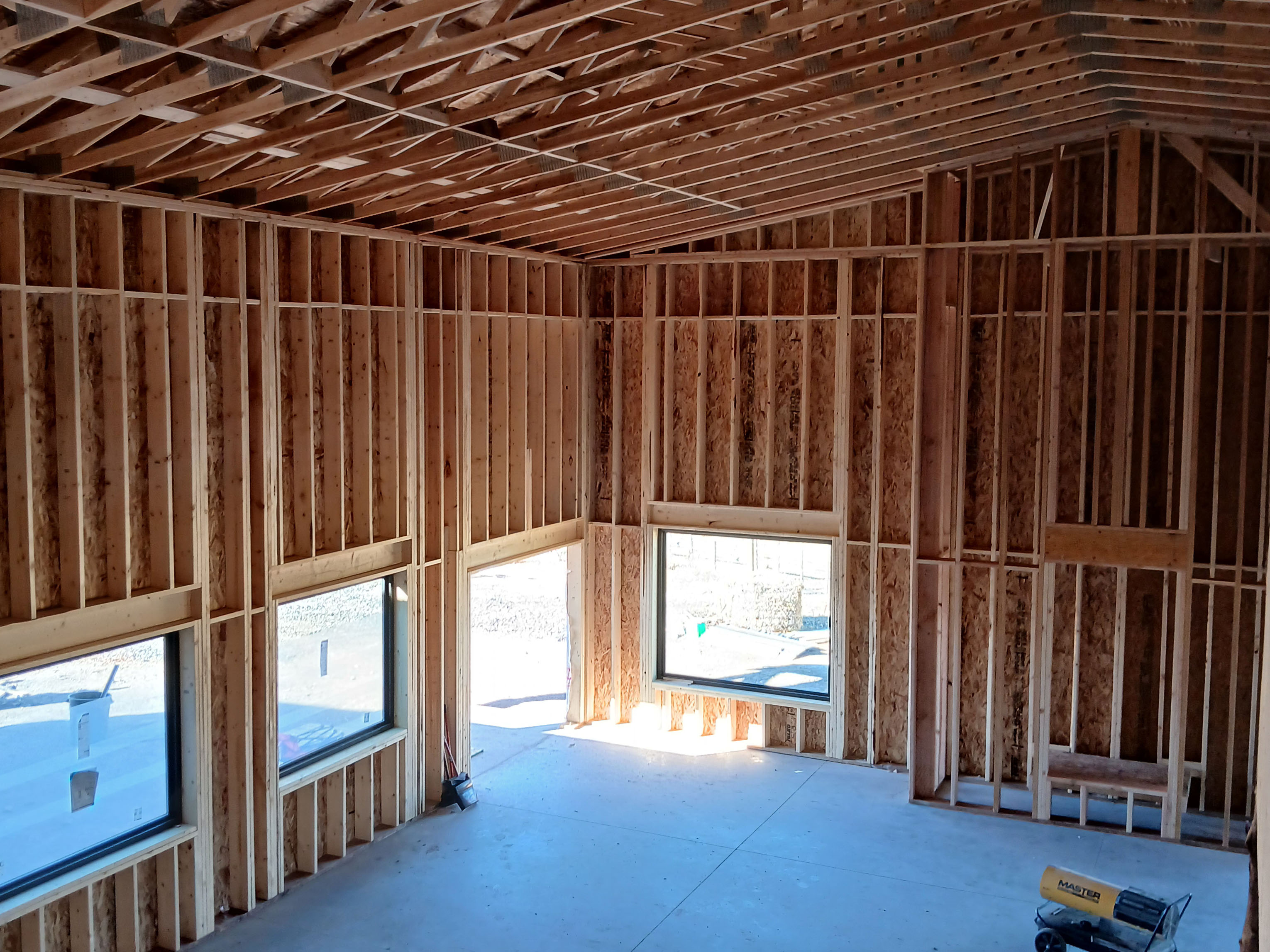
Rhode Island’s construction challenges continue intensifying across the state. The housing shortage grows more severe annually. Labor costs keep rising steadily with demand. Worker shortages show no signs of improvement soon.
Prefab framing systems address these challenges directly and effectively. Speed and precision combat labor shortages successfully. Factory manufacturing eliminates weather delays completely from production. Cost transparency protects project budgets throughout construction.
Whether you’re an owner-builder managing your own project, a custom builder improving profit margins, or a small developer seeking competitive advantages, prefab framing systems offer proven benefits for Rhode Island construction.
Rhode Island prefab homes don’t require compromise on design or quality. Prefab framing systems deliver speed and precision with complete design flexibility and transparent cost control throughout your project.
Contact Green-R-Panel today for your Rhode Island project consultation. Discover how precision-manufactured prefab framing systems can transform your next build despite labor shortages and market challenges affecting the state.
From initial consultation through final delivery, Green-R-Panel provides expertise and support for successful projects. Their AutoCAD-designed wall panels, engineered floor systems, and roof trusses deliver the speed, quality, and cost control that today’s Rhode Island builders demand.
Get started with a free project consultation. See exactly how prefab framing systems work for your Rhode Island building project.