
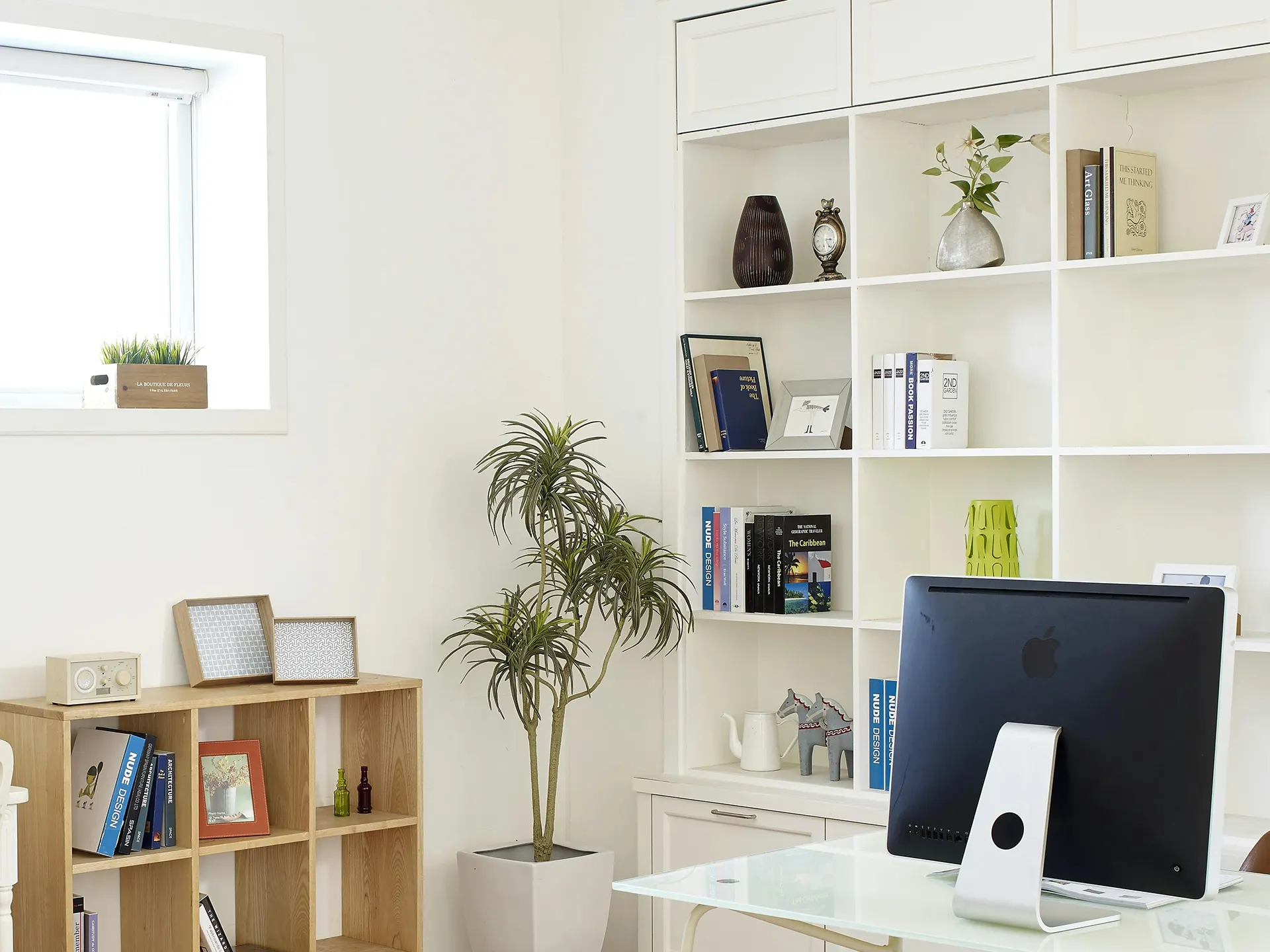
Explore Prefab Modern Housing Designs
Introduction
The way we design and build homes is changing fast. Traditional, on-site construction is giving way to a new era of prefab modern housing designs—structures built with precision in factories and assembled efficiently on-site. This shift isn’t just about speed; it’s about smarter, more sustainable, and more customizable homes that align with modern living.
In 2025, prefab housing is no longer a niche alternative. It’s become a mainstream solution for people who value design freedom, energy efficiency, and cost predictability. Let’s explore the key trends driving this movement, how today’s prefab homes combine style with performance, and why systems like Green-R-Panel’s panelized kits are emerging as a preferred option for custom builders and owner-builders alike.
The Rise of Prefab Modern Housing
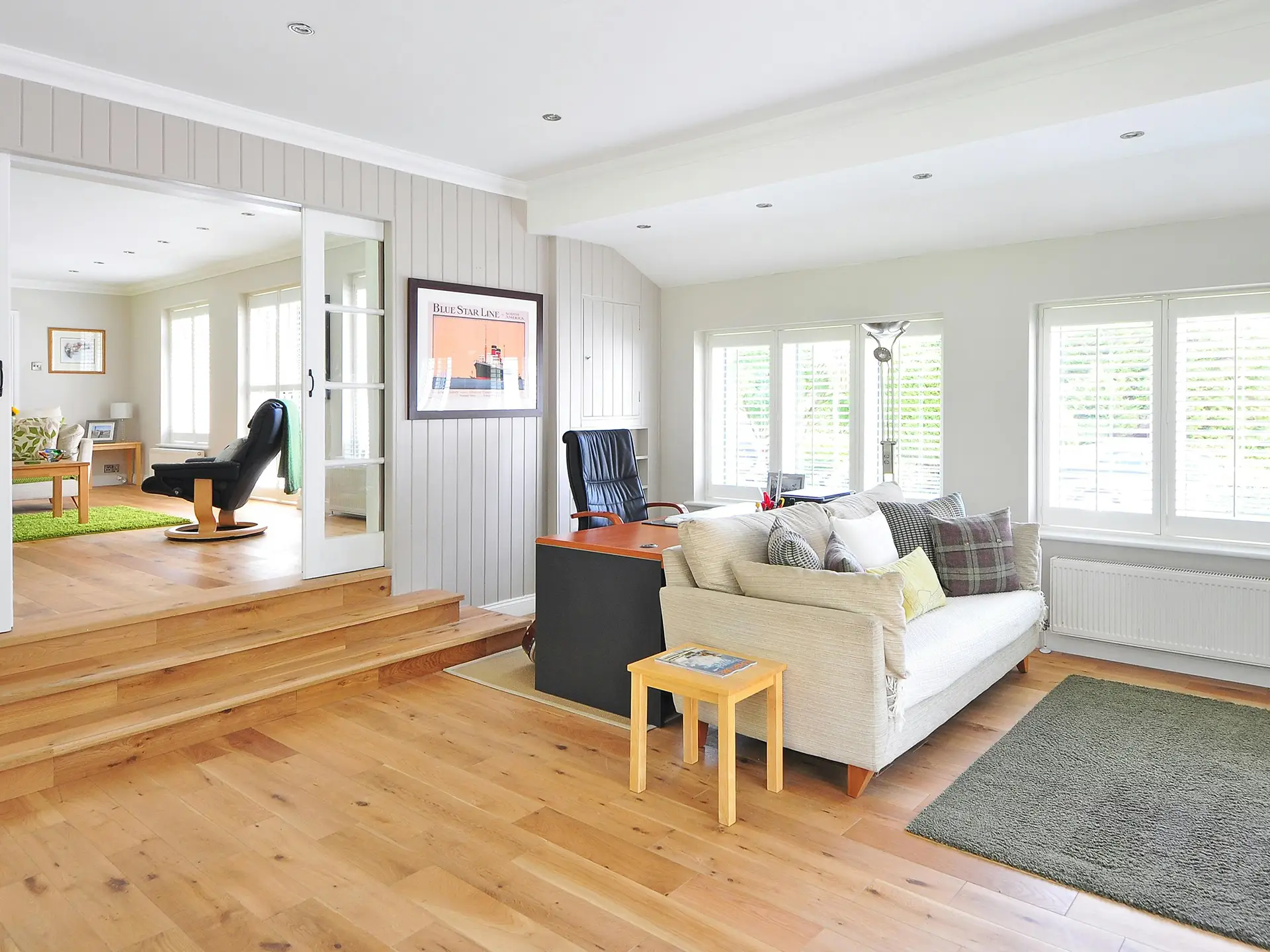
Prefabricated homes have evolved far beyond the basic “modular boxes” of the past. Today’s prefab designs deliver architectural beauty, eco-efficiency, and structural precision, attracting everyone from first-time homeowners to luxury custom builders.
- Faster construction — Prefab components are built in controlled environments, cutting build time by 30–60%.
- Greater quality control — Factory-built assemblies reduce weather risk and ensure precision.
- Less waste, more savings — Studies show prefab can reduce material waste by up to 50%.
- Sustainable by design — Efficient production and tight envelopes support net-zero and passive-house goals.
- Architectural flexibility — Prefab modern homes can now rival custom builds for aesthetics, layout, and materials.
The future of homebuilding will be defined by off-site manufacturing and green innovation—a combination that makes prefab a perfect match for the next generation of homeowners.
Top Design & Construction Trends in 2025
1. Open-Concept, Flexible Layouts
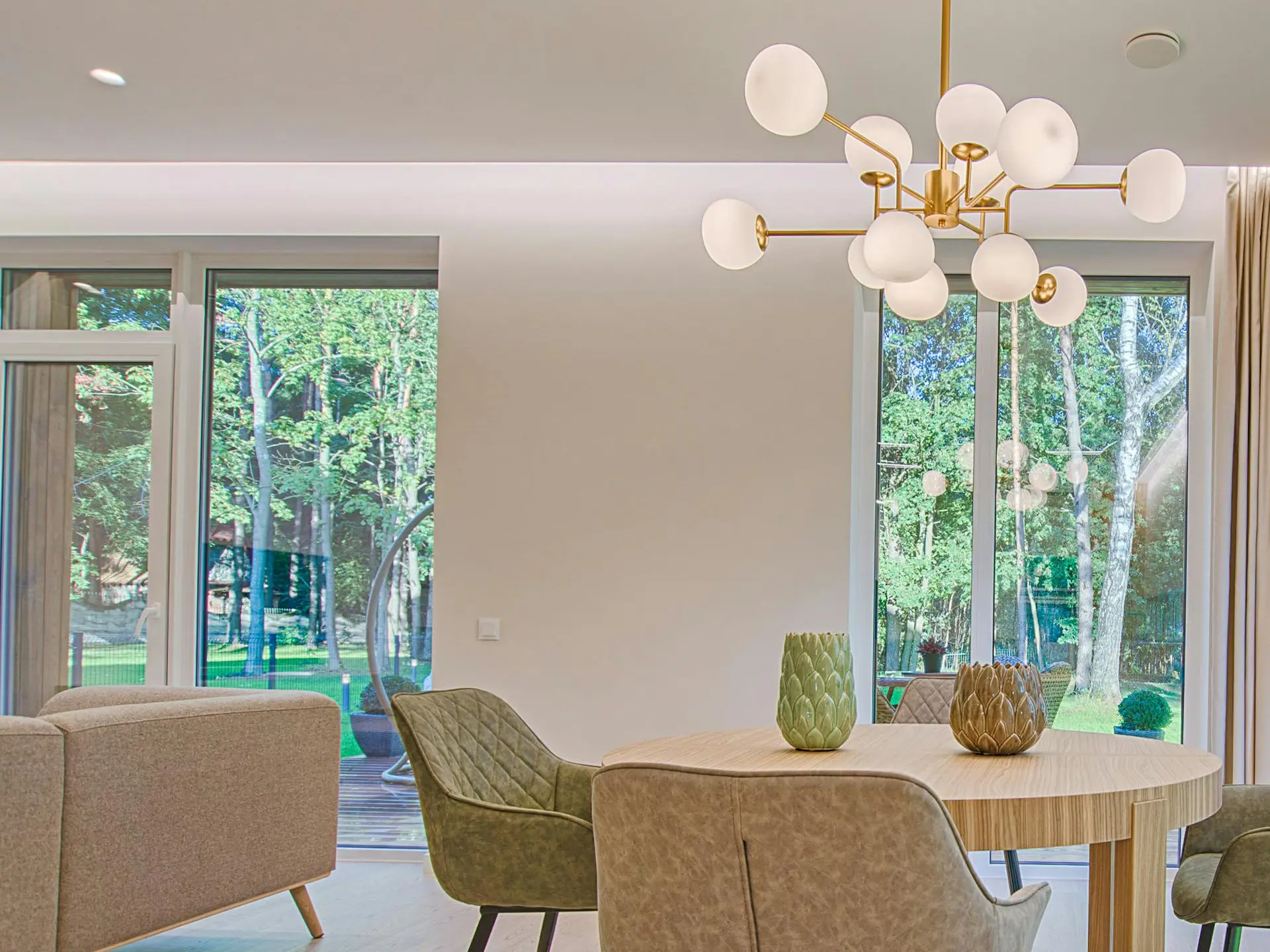
Open floor plans continue to dominate, but they’re evolving to balance social spaces with defined private zones. Homeowners want light-filled living areas, fewer walls, and indoor-outdoor flow. Modular designs are embracing multifunctional layouts and smart partitions that adapt to work-from-home lifestyles.
2. Smart Home Integration
Smart systems are being embedded right into prefab structures—energy monitoring, automated climate control, and connected lighting. This allows homes to optimize comfort and efficiency from day one, resulting in lower energy bills and improved sustainability.
3. Minimalist Aesthetics
Modern prefab homes embody clean lines, large windows, and minimalist design. Trending finishes include natural woods, matte metals, and dark exteriors paired with bright interiors. As Simplicity in materials and form creates timeless appeal while maintaining affordability.
4. Sustainability & Energy Efficiency
Prefab construction naturally supports eco-friendly goals. High-performance insulation, precision framing, and reduced waste all contribute to lower carbon footprints. Many prefab builders are integrating solar systems, recycled materials, and airtight construction to meet or exceed net-zero standards.
5. Personalization & Modular Freedom
The era of “cookie-cutter prefab” is over. Homeowners can now choose from a variety of layouts, finishes, and architectural styles. Prefab doesn’t mean standardized—it means standardized precision that can be fully customized. Personalization is now a key selling point for modular home buyers.
Why Prefab Modern Housing Designs Make Sense
- Time Savings: Factory production allows multiple tasks (site prep, foundation, manufacturing) to happen simultaneously.
- Lower Labour Costs: Less on-site framing and faster assembly mean reduced supervision requirements.
- Predictable Quality: Factory-controlled builds prevent warped lumber, moisture issues, and inconsistencies.
- Energy Performance: Tight envelopes deliver better insulation and energy savings.
- Sustainability: Less waste, optimized materials, and cleaner job sites support eco-friendly construction.
Questions to Ask Before Choosing a Prefab System
- What’s included in the base package?
- Does the system comply with your local building codes?
- How are the components transported and assembled?
- Can the layout and finishes be fully customized?
- What warranties and engineering certifications are included?
- Who coordinates installation—you or your builder ?
Prefab vs. Modular vs. Panelized — What’s the Difference?
| Type | Description | Pros | Cons |
|---|---|---|---|
| Modular | Entire rooms or sections built in factory | Fastest assembly; complete interiors | Limited size transport; heavy crane setup |
| Panelized | Wall, floor & roof panels pre-built off-site | Flexible design; easier shipping and site prep | Some on-site finishing required |
| Kit Homes | Materials cut to specification | Affordable DIY option | Requires more assembly skill |
Green-R-Panel: A Smarter Way to Build Modern Prefab Homes
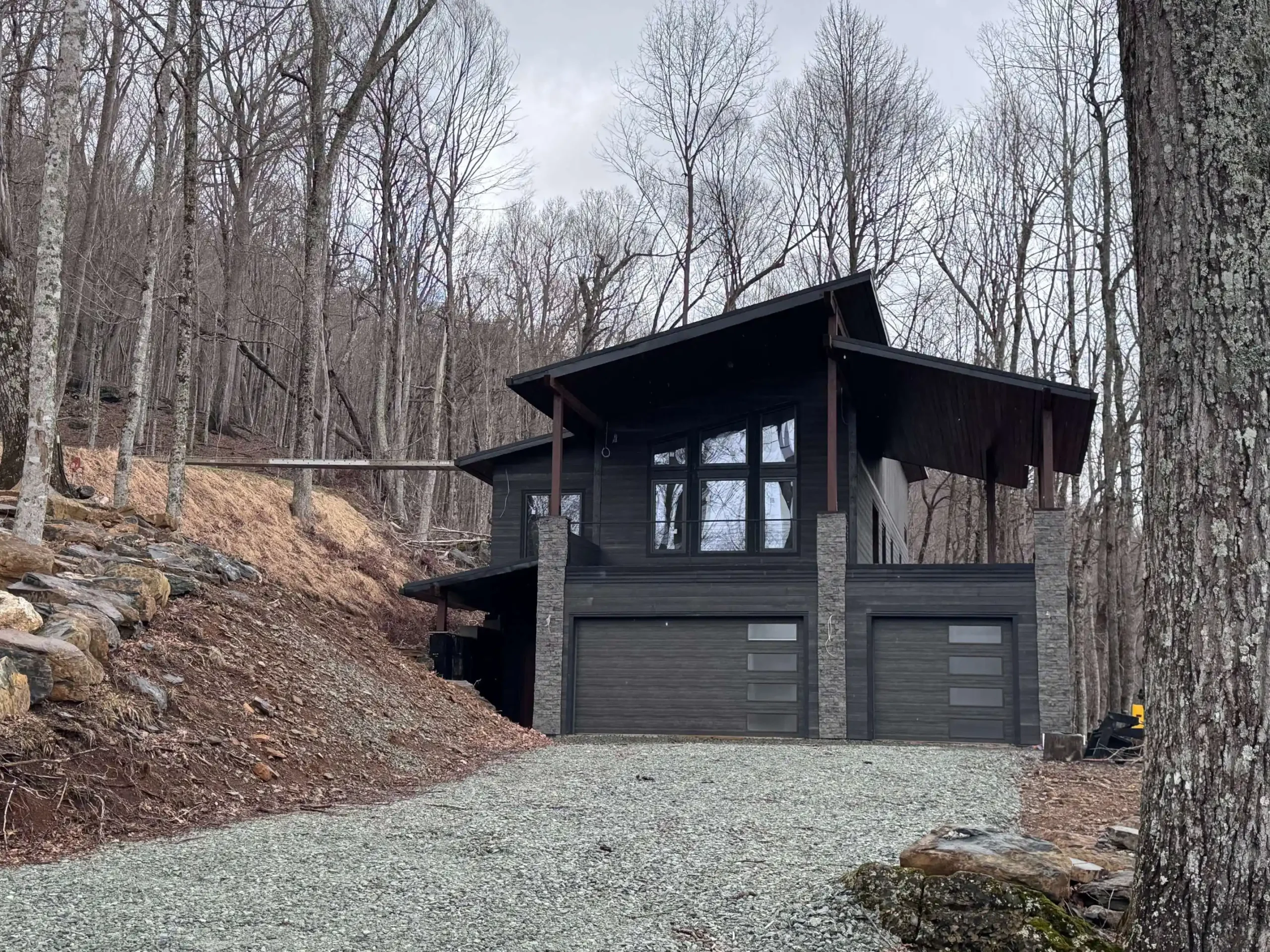
If you’re drawn to prefab modern housing designs but still want full design freedom, Green-R-Panel offers an intelligent middle path. Their precision-engineered wall, floor, and roof systems deliver the same advantages as prefab while keeping flexibility high.
- Structural kit: Includes I-Joist floor systems, custom-manufactured wall panels, and engineered roof trusses.
- Faster build times: Up to 60% fewer on-site man-hours compared to conventional framing.
- Superior quality: Laser-guided factory production ensures consistent tolerances and airtight construction.
- Designed for owner-builders and custom home builders: Perfect for personal homes or small developments.
- Eco-smart choice: Reduced material waste and efficient production support sustainability.
- Expert support: Detailed drawings and guidance from the Green-R-Panel team.
To learn more or request a quote, visit greenrpanel.com or contact [email protected] | 1-800-871-7089.
Conclusion
Prefab modern housing designs are redefining what’s possible in custom homebuilding. Combining efficiency, precision, and contemporary design, prefab homes meet modern expectations for sustainability and speed without compromising aesthetics.
Whether you’re an owner-builder or a small developer, systems like Green-R-Panel’s panelized kits make it easier to build high-performance homes faster, smarter, and more affordably. The future of homebuilding is here—and it’s prefab.
FAQs
Are prefab modern homes customizable?
Yes. Today’s prefab and panelized homes allow full customization—from layout and finishes to smart home features and exterior design.
How long does it take to build a prefab home?
Most prefab homes can go from design to assembly in half the time of traditional builds, depending on size and site prep.
Are prefab homes eco-friendly?
Absolutely. Precision manufacturing minimizes waste, and energy-efficient envelopes reduce environmental impact.
What’s the lifespan of a prefab home?
With systems like Green-R-Panel, homes often last 50+ years with minimal maintenance—comparable or superior to conventional framing.
Can prefab homes handle different climates?
Yes. Panelized systems can be engineered for any North American climate, from coastal humidity to cold northern winters.
Ready to build your modern prefab dream home? Visit greenrpanel.com or contact [email protected] | 1-800-871-7089 for expert assistance.
Comments are closed